


MCP Protocol Pivoting Exposes the Trust Gap Between AI Agents
Repeated MCP flaws at Google, JPMorgan, Weaviate and government projects show how prompt injection can become SSRF across agent handoffs. Here is what builders should fix.


OpenAI’s textGrain Watermark Is Coming to EU ChatGPT: What It Can Detect
OpenAI will watermark eligible EU ChatGPT and Codex text with textGrain. Its own tests show why detection cannot prove authorship.
Gemini 4 Argon Debuts With 1M-Token Output, but Access Starts With Cyber Defenders
Google's Gemini 4 Argon pairs a one-million-token output limit with low introductory pricing, but only vetted cyber defenders can use it first.

Google’s First Orbital AI Test Is Four TPUs, Not a Data Center
Google's first Project Suncatcher flight carries four TPUs, about 1 kW of solar power and a tough cooling problem. Here is what the orbital AI experiment can actually prove.

Cloudflare Plans a Post-Quantum Certificate Authority: What Changes for HTTPS
Cloudflare plans to issue free classical and post-quantum certificates in 2027. Here is how Merkle Tree Certificates work and what website teams should prepare now.

Claude Sonnet 5.5 Migration Guide: Six API Changes to Test
Claude Sonnet 5.5 keeps Sonnet 5 pricing but changes thinking, tool choice, computer use, conversation replay, and response handling. Test these six issues before switching production traffic.
GPT-6.1 Sol Costs One-Fifth of Astra, but Long Context Changes the Math
GPT-6.1 Sol brings near-Astra capabilities to a lower price tier. Here is how long-context rates, caching, tools, residency, and migration constraints affect the real cost.

America.gov Is Live: What the Federal AI Portal Can Do and What to Verify
America.gov now answers questions across 29,000 federal websites and plans to add forms and transactions. Its first-day answer changes show why users should verify high-stakes guidance.

Zoox’s Las Vegas Fleet Cap Expired the Day of an Injury Crash
Nevada’s 100-robotaxi cap expired September 25, when a Zoox collision sent another driver to a hospital. Here is what changed, what remains unknown, and which safety data stay private.
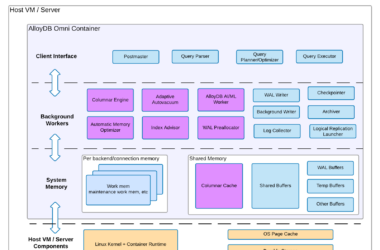
Google’s AlloyDB Isolates AI Agent Queries From Production PostgreSQL
Google’s new AlloyDB preview gives AI agents isolated, scale-to-zero access to fresh production data. Here is what it solves, what remains risky, and what teams should test.