


Browsing Category
Digital Culture
41 posts
Internet culture, social platforms, online communities, creator platforms, digital identity, and the everyday social impact of technology.

YouTube Music Labels AI Songs, While Deezer Lets Listeners Hide Them
YouTube Music is labeling AI-made songs, while Deezer will let users hide them from search. Here is what each policy covers and where detection can fail.


Facebook’s ‘Your Algorithm’ Lets You Rewrite Feed and Reels Recommendations
Facebook’s new Your Algorithm control accepts plain-language requests for Feed and Reels. Here’s how to use it, what changes, and what it cannot control.

Google’s SynthID Detector Is Public. Here’s What “Not Detected” Means
Google’s public SynthID Detector checks AI watermarks from several major providers. Here is how to use it and why a negative result proves little.
AI Music Bot Fraud Gets First U.S. Prison Sentence as Copyright Office Opens Inquiry
Michael Smith used AI tracks and up to 10,000 bot accounts to collect more than $8 million. His sentence landed as the Copyright Office opened a streaming-fraud inquiry.
ChatGPT’s GPT-6 Intelligent UI Turns Answers Into Interactive Tools
ChatGPT’s GPT-6 rollout adds native interactive diagrams, calculators, forms and progressive answers. Here is who gets it, how it works and what to verify.

Paramount Closes Warner Bros. Deal: What Changes for HBO Max and Paramount+
Paramount’s Warner Bros. Discovery deal is closed and HBO Max and Paramount+ will eventually become one service. Here is what changes now, what does not, and what subscribers should watch.
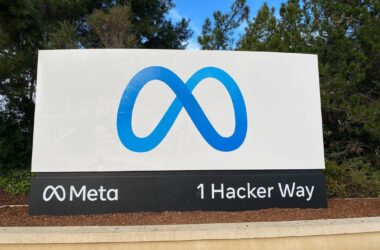
Amazon Blocks Meta’s Muse, Exposing AI Shopping’s Permission Problem
Amazon blocked Meta’s Muse from shopping on its site, exposing unresolved rules around agent identity, merchant consent, credentials, and checkout.

Stability AI’s $76M Round Makes Creative Rights Part of the AI Stack
Stability AI raised $76 million from entertainment and technology backers including Electronic Arts, Sony Music Group, Universal Music Group, Warner Music Group, AMD Ventures, and Pacific Alliance Ventures. The funding shows how creative AI is moving from open-model distribution toward licensed, workflow-specific tools for music, games, marketing, and studios.

ChatGPT for Teens Makes Age Checks a Default AI Safety Layer
OpenAI launched ChatGPT for Teens on August 18, automatically applying stricter safeguards, study-focused behavior, quiet hours, and optional parental controls for users ages 13 to 17. The useful shift is not just a family settings menu, but age assurance becoming a default layer for consumer AI.

Reddit’s AI Videos Turn Forum Threads Into Synthetic Media
Reddit is testing AI-voiced videos that turn selected text posts and comments into watchable, listenable clips. The experiment could make old forum threads easier to consume, but it also raises new questions about labeling, context, comment selection, and who controls the value of community posts.