


Browsing Category
Enterprise Tech
146 posts
Enterprise software, IT operations platforms, business infrastructure, observability, SaaS, and workplace technology coverage.

Zero-Click Spyware Was Delivered Through Online Ads: How AdFection Worked
Citizen Lab traced zero-click spyware from a targeted ad to 45 Al Jazeera devices. Here is how AdFection worked and what defenders should block.


Ivanti Connect Secure Zero-Day Can Evade Integrity Checks: What Admins Should Do
Attackers chained an Ivanti Connect Secure auth bypass with two other flaws for root access, then erased evidence. Here is what to patch, hunt and rotate now.

Firefox Enterprise Is Not Firefox ESR: What Mozilla’s New Browser Adds
Mozilla’s new Firefox Enterprise adds a self-hosted console, DLP, AI controls and SIEM integration. Here is how it differs from Firefox ESR and what IT teams should test.

NVIDIA Open-Sources Run:ai: What GPU Teams Get and What They Don’t
NVIDIA has open-sourced the full Run:ai GPU orchestration platform. Here is what the Apache-licensed release includes, how GPU sharing works, and where enterprise support still costs extra.

North Korean IT Workers Hit 70+ U.S. Companies: What Employers Should Check
The FBI says North Korean remote IT worker schemes reached more than 70 U.S. companies. Here are the laptop-farm, identity and network signals employers should check.

Microsoft Maia 300: Specs, 2027 Rollout, and What the Claims Mean
Microsoft’s Maia 300 packs eight HBM4 stacks into a 950W accelerator and 96 chips into a 167kW rack. Here’s what its 2027 rollout means.

Meta Muse Wonder Is Live: API Pricing, Full Access, and What to Test
Meta's Muse Wonder API costs $4 per million input tokens and $20 per million output tokens. Here's how Full access, privacy modes and benchmarks differ.

Claude Haiku 5.5 Is Cheap Until Long Prompts Trigger a 5x Rate
Claude Haiku 5.5 starts at $0.10 per million input tokens, but prompts over 100K cost five times more. Here is how to budget and migrate.

FortiBleed Lockouts Hit FortiGate Firewalls: What Admins Should Check
The FBI says FortiBleed is still compromising FortiGate gateways and locking out admins. Here are the accounts, API keys and logs to check now.
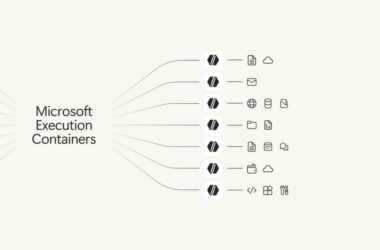
Microsoft Execution Containers Put AI Agents Behind OS-Enforced Boundaries
Microsoft Execution Containers are now generally available, with file, network, UI and session controls for AI agents. Here is how MXC works and what IT teams should test.