


Browsing Category
Consumer Tech
36 posts
Consumer technology coverage, including phones, PCs, gadgets, wearables, smart home devices, buying shifts, product strategy, and the hardware and software people use every day.

ReactOS Can Install on NTFS, but It Is Still an Alpha Test
ReactOS can finally install and boot on NTFS, but caching, journaling and security support are missing. Here is what changed and how to test it safely.


Plex2Shell Is Being Exploited: How to Check and Clean Your Plex Server
Plex2Shell is now being used to install miners and proxy software. Check your Plex version, hunt the early indicators, and know when to rebuild.

HomePod mini 2 Costs $149, but Siri AI Won’t Be Ready at Launch
Apple’s HomePod mini 2 adds an S10 chip and new audio options for $149, but Siri AI arrives later and four-speaker surround needs $895 in hardware.

Apple HomeView Costs $299, but Its Best Features Need More Apple Hardware
Apple’s $299 HomeView ships November 13 with Siri AI, Face ID-style personalization and nine-camera viewing. Here’s what requires an iPhone, iCloud+ or extra hardware.

Fitbit Edge Buying Guide: GPS Is Back, but Google Wallet Is Gone
Google’s $179.99 Fitbit Edge restores GPS, ECG and a screen, but drops Google Wallet. Here’s what Charge 6 and Fitbit Air buyers should know.

Surface Laptop Ultra Starts at $2,599, but Battery Life Is Still the Big Unknown
Microsoft’s RTX Spark Surface Laptop Ultra can run 120B-parameter AI models locally, but its $2,599 price, Arm compatibility and undisclosed battery life deserve scrutiny.

ChatGPT’s GPT-6 Intelligent UI Turns Answers Into Interactive Tools
ChatGPT’s GPT-6 rollout adds native interactive diagrams, calculators, forms and progressive answers. Here is who gets it, how it works and what to verify.
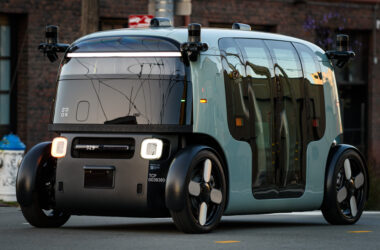
Zoox’s Las Vegas Fleet Cap Expired the Day of an Injury Crash
Nevada’s 100-robotaxi cap expired September 25, when a Zoox collision sent another driver to a hospital. Here is what changed, what remains unknown, and which safety data stay private.
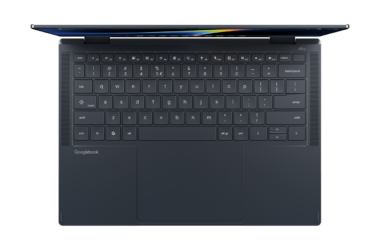
Googlebook Preorders Are Open: Which Android Laptop Fits You?
Googlebook preorders are open from $899. Compare Acer, Dell, Lenovo, HP, and ASUS models, then check Android, app, battery, and software tradeoffs before buying.

Apple’s iPhone Duo Puts Foldables on an AI and Price Test
Apple introduced the iPhone Duo, its first foldable phone, alongside the iPhone 18 Pro lineup, AirPods 5, and Apple Watch Series 12. The launch gives new CEO John Ternus a sharper hardware story, but the real test is whether a larger iPhone screen and privacy-first AI can justify foldable-phone pricing.