XGIMI’s MemoMind One has moved from CES curiosity to a real preorder test for camera-free AI smart glasses, with early hands-on coverage now putting the product’s central bet under pressure: can display-first eyewear feel useful enough without the camera that has made rival smart glasses more immediately practical?
The glasses, sold through XGIMI’s MemoMind sub-brand, start at $399 during the Kickstarter launch and are listed at $599 for standard retail pricing. Prescription versions are priced higher. Unlike Ray-Ban Meta-style camera glasses or full AR developer headsets, MemoMind One puts a green near-eye display in both lenses and leaves the camera out entirely. The pitch is a lighter, less socially awkward wearable that can show information, translate speech, surface reminders, and answer questions without pointing a lens at everyone nearby.
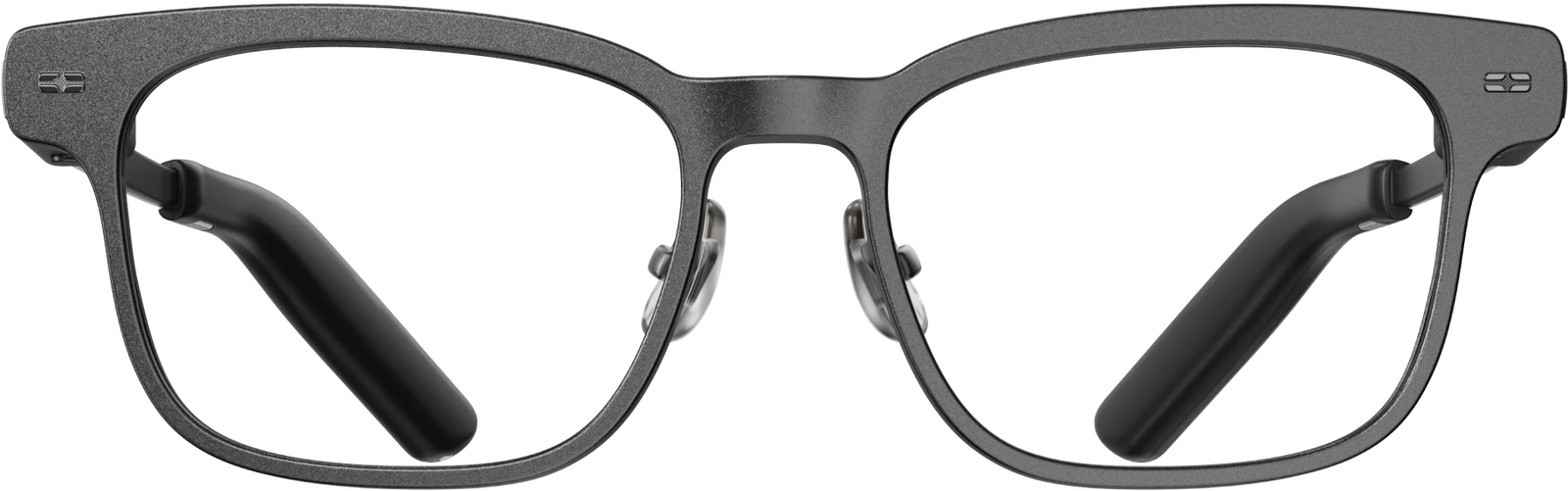
What MemoMind One Actually Does
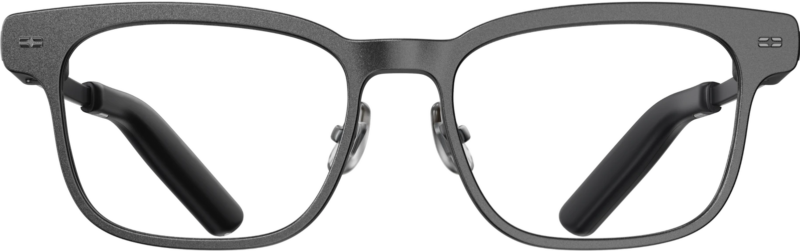
MemoMind’s own product page describes the glasses as a camera-free AI assistant with a binocular waveguide display, triple microphones, open-ear Harman audio, and support for notifications, calendar items, to-dos, maps, speech, subtitles, live summaries, recording, and translation. The hardware list is more specific than the usual wearable-AI teaser language: dual Micro-LED near-eye displays at 640 by 350 resolution, 2,000-nit display hardware, a 25-degree field of view, 30Hz refresh, adjustable viewing distance, green-only output, more than 16 hours of mixed usage, and splash resistance rather than full waterproofing.
The design comes in three frame styles called Nomad, Gotham, and Archive. MemoMind says the frames use magnesium-aluminum alloy and beta titanium and weigh 46.6 grams. That puts them above ordinary eyewear but below the bulk of many developer-focused AR devices. The company also says the glasses support ZEISS prescription lenses, a necessary detail if the product is meant to be worn as everyday eyewear rather than carried as a novelty gadget.
The more interesting specification is not a chip, battery, or display number. It is the missing camera. MemoMind frames that absence as a privacy feature, arguing that most AI glasses are effectively wearable cameras while MemoMind One is meant to read, translate, and answer in the wearer’s line of sight. The company also says audio capture is user-controlled, recordings can be deleted, and a tap can mute capture.
The First Hands-On Reports Show the Tradeoff
Independent hands-on reports make the product more useful to judge because they show where the concept works and where current wearable AI still feels unfinished. The Verge, after testing a beta version, found the private floating display appealing for quick information but noted that the glasses are not a smartwatch replacement: notifications are condensed, messages cannot be fully read or answered through the glasses, and several features still require the phone app.
That phone dependency matters. A display on your face is most valuable when it removes a step, not when it becomes a smaller screen waiting for instructions from the larger one in your pocket. The Verge also reported that the green display was strong indoors but difficult to see in bright outdoor conditions, and that open-ear audio could be heard by people nearby even at low volume. Those are not minor comfort issues. They affect whether the glasses can handle the ordinary public-space situations where their discreet design is supposed to shine.
TechRadar reached a similar tension from another direction. It saw practical value in features such as calendar readouts, teleprompter scripts, translation subtitles, map directions, and notification popups, especially for work or travel. But it also found outdoor readability weak and argued that the lack of a camera removes some of the spontaneous usefulness that has made camera-based smart glasses easier to understand.
That is the core buyer question. A camera can make smart glasses feel immediately useful because the wearer can capture a photo, scan the world, or ask an AI system about what is in front of them. It also makes the device socially uncomfortable, especially in workplaces, schools, restaurants, and transit. MemoMind One flips the bargain: fewer social alarms, but also fewer obvious moments when the glasses are better than a phone.
Why Camera-Free Glasses Are Having a Moment
The timing is not accidental. Smart glasses are splitting into several categories at once. There are camera-first AI glasses, full AR headsets and developer devices, lightweight display glasses for captions and notifications, and fitness or health wearables that borrow AI assistant features without becoming general-purpose computers. MemoMind One sits in the display-glasses lane, closer to a heads-up information layer than a mixed-reality computer.
That lane has a real audience if the software is polished. A teacher, presenter, conference attendee, frequent traveler, or multilingual worker may value translation, transcription, teleprompter text, calendar prompts, and discreet notifications more than hands-free photography. A camera-free design may also be easier to wear in spaces where camera glasses feel intrusive or are formally restricted.
But the product has to clear a high bar because a phone and smartwatch already cover many of those jobs. For MemoMind One to feel durable after the launch buzz, the display must be readable outdoors, translation must be fast enough for real conversations, navigation must work without too much phone setup, notifications need enough depth to be actionable, and audio cannot leak private calls into the room. Those are everyday-product problems, not futuristic AI problems.
The subscription layer also deserves attention. T3 reported that some Memo+ features are expected to cost $19.99 per month after included promotional periods for deposit holders or Kickstarter backers. For a wearable that already competes with phones, watches, and earbuds, recurring software pricing will make the product’s day-to-day usefulness even more important.
What to Watch Before Buying
The safest read is that MemoMind One is a promising sign for where smart glasses are going, not yet proof that camera-free AI eyewear is ready for everyone. The product gives the category a cleaner social argument: useful information in front of your eyes without turning your face into a recording device. That matters because social acceptance has been one of smart glasses’ hardest problems since the Google Glass era.
Prospective buyers should still wait for final hardware and software reviews before treating the Kickstarter pricing as a simple bargain. The most important tests will be outdoor display visibility, app reliability, translation speed, battery life under real mixed use, prescription-lens quality, privacy controls, return policies, and whether the promised AI features work without pulling the phone out every few minutes.
MemoMind One is strongest as a signal that smart glasses do not have to follow one design path. The camera-first model will remain powerful for capture and visual AI. Full AR glasses will keep chasing richer spatial interfaces. But camera-free display glasses may become the more wearable compromise for people who want AI in their line of sight without asking everyone around them to trust a tiny camera on their face.