

Browsing Tag
Google
32 posts

One Robots.txt Rule Can Opt Sites Out of AI Training
OpenAI, Google, Microsoft and Anthropic are backing one robots.txt signal for AI-training preferences. Here is the exact rule, rollout dates and limits.

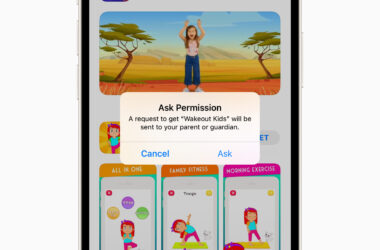
Teen Accounts Reached 135 Nudify Apps Despite Parental Controls
A new test found that 13-year-old accounts could download 135 nudify-capable apps from Apple and Google stores. Age ratings, purchase approvals and app removals all left gaps.
OpenCode Breach Exposed Provider API Keys: What Console Users Should Rotate
OpenCode says a breach affected 1.4% of Console users with external providers linked. Here is how to scope exposure, rotate AI API keys and audit usage.
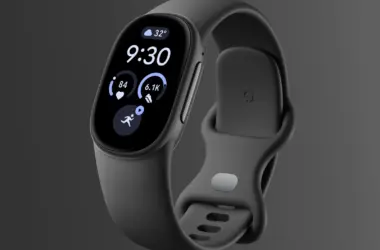
Fitbit Edge Buying Guide: GPS Is Back, but Google Wallet Is Gone
Google’s $179.99 Fitbit Edge restores GPS, ECG and a screen, but drops Google Wallet. Here’s what Charge 6 and Fitbit Air buyers should know.
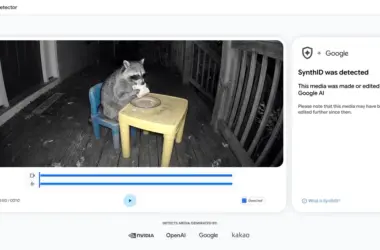
Google’s SynthID Detector Is Public. Here’s What “Not Detected” Means
Google’s public SynthID Detector checks AI watermarks from several major providers. Here is how to use it and why a negative result proves little.
EmbeddingGemma 2 Brings Private Multimodal Search On-Device
Google's 740M-parameter EmbeddingGemma 2 runs local search across text, code, images, audio and video. Here are the memory, vector-size and deployment tradeoffs.
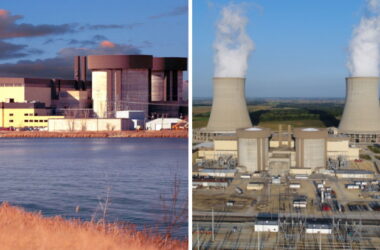
Google’s Constellation Nuclear Deal: What the 3.59 GW Figure Really Means
Google and Constellation signed agreements covering 3.59 GW in PJM, but only 890 MW is planned new nuclear capacity. Here is how the uprates, supply contract and Gemini work differ.
Fake Google HTTPS Certificates Came From Hijacked Country Domains
Attackers hijacked .gh, .sl and .as registries to obtain valid HTTPS certificates. Here is how the attack worked and what domain owners should check.
Gemini 4 Argon Debuts With 1M-Token Output, but Access Starts With Cyber Defenders
Google's Gemini 4 Argon pairs a one-million-token output limit with low introductory pricing, but only vetted cyber defenders can use it first.

Google’s First Orbital AI Test Is Four TPUs, Not a Data Center
Google's first Project Suncatcher flight carries four TPUs, about 1 kW of solar power and a tough cooling problem. Here is what the orbital AI experiment can actually prove.