Nothing is skipping a new CMF Phone this year, turning the AI-driven memory shortage from a supply-chain warning into a visible consumer gadget problem.
The company had been working on a successor to the CMF Phone 2 Pro, but Nothing co-founder Akis Evangelidis said memory prices made it impossible to build a meaningful upgrade at a price that fit CMF’s budget-focused positioning, according to 9to5Google. In a follow-up cited by the site, Evangelidis said a phone with the same basic specification as the CMF Phone 2 Pro would cost roughly 50% more in the current market.
That makes Nothing’s decision more important than a single skipped Android model. Budget phones are built on thin margins, and RAM and flash storage are no longer cheap background components. They are becoming the parts that decide whether a phone ships, ships with weaker specifications, or moves into a higher price tier.
Why RAM Became a Phone Launch Problem
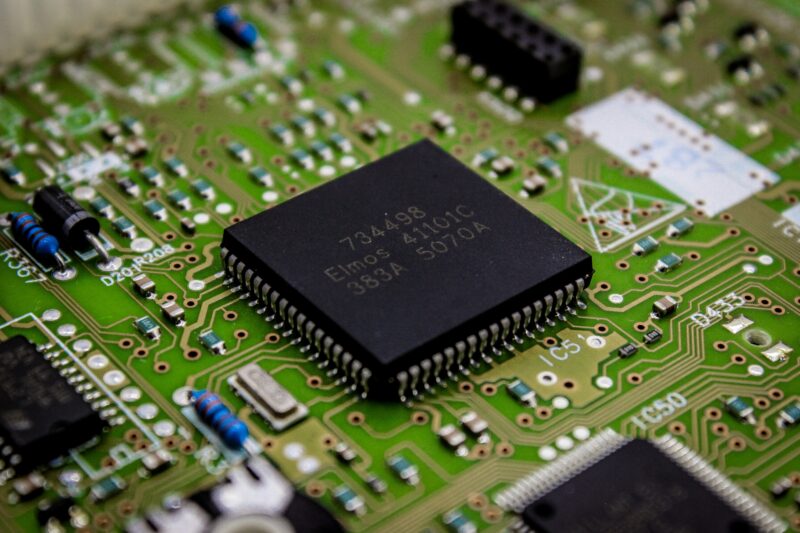
The pressure is coming from the same place as much of the technology industry’s spending right now: AI infrastructure. Large cloud providers and AI companies need huge amounts of high-bandwidth memory, server DRAM, and enterprise storage for training and inference systems. Memory makers have responded by prioritizing higher-margin server and AI-related products over the commodity DRAM and NAND used in phones, laptops, SSDs, and lower-cost devices.
TrendForce said conventional DRAM contract prices were expected to rise 58% to 63% quarter over quarter in the second quarter of 2026, while NAND flash contract prices were expected to climb 70% to 75%. The research firm also said suppliers were shifting capacity toward HBM and server applications, while consumer applications were being scaled back under cost pressure.
For smartphones, that squeeze lands hardest at the affordable end. A flagship maker can absorb some cost increases, lean on long-term supply agreements, or preserve margins by keeping more expensive models expensive for longer. A budget brand does not have as much room. If memory prices jump, the company has three unattractive choices: raise the price, cut RAM or storage, or cancel the product until the economics improve.
Nothing appears to have chosen the third option for CMF. The brand can still release accessories or other CMF products with different component exposure, but a budget smartphone is unusually sensitive to memory costs because RAM and storage are core to the experience buyers notice every day: app switching, camera processing, gaming, software updates, local AI features, and how long the phone feels usable.
The Damage May Spread Beyond Cheap Android Phones
IDC warned late last year that the shortage could reshape both smartphone and PC markets in 2026. In its memory shortage analysis, IDC described the shift as more than a normal boom-and-bust cycle. The firm argued that wafer capacity is being strategically reallocated toward AI data center memory, which leaves less conventional DRAM and NAND for consumer devices.
IDC’s downside scenarios put numbers around the risk. For smartphones, the firm said average selling prices could rise 3% to 5% in a moderate case, or 6% to 8% in a more pessimistic case, with low-end phones hit hardest. It also warned that the global smartphone market could contract by 2.9% to 5.2% depending on how long the shortage lasts.
The PC market faces a similar problem at an awkward time. Windows 10’s end of support is pushing businesses and households toward upgrades, while PC makers are trying to sell AI PCs that need more memory, not less. Microsoft’s Copilot+ PC baseline requires 16GB of RAM, and more capable on-device AI workflows can push premium systems toward 32GB. IDC said PC average selling prices could rise 4% to 8% under its downside scenarios, while the market could contract more sharply than earlier forecasts suggested.
That leaves manufacturers trying to preserve marketing promises while quietly changing the spec sheet. A midrange laptop that might have moved from 16GB to 32GB could stay at 16GB. A low-cost phone that might have offered 8GB of RAM and 256GB of storage could come with 6GB and 128GB instead. SSD upgrades, memory-card pricing, and entry-level gaming builds are also exposed because NAND and graphics memory are under the same broad pressure.
What Buyers Should Watch Now
For consumers, the lesson is not that every device will suddenly become unaffordable. It is that the old assumption of steady spec inflation is weaker than it used to be. For years, buyers could expect cheaper phones and laptops to gain more RAM and storage with each generation. In 2026, some products may hold steady, become more expensive, or disappear from the calendar entirely.
That makes the comparison between current and previous models more important. A “new” budget device may not be an upgrade if it ships with less memory, slower storage, or a higher launch price. Shoppers should look past camera counts and AI branding and check the basics: RAM, storage type, storage capacity, update policy, and whether the prior model is still available at a sensible price.
For companies, Nothing’s CMF pause is a warning about product-roadmap risk. AI demand is not only raising the cost of building data centers; it is also changing the economics of the devices people use to access AI services. The memory shortage is therefore becoming a feedback loop: AI makes memory more valuable, higher memory costs make AI-ready consumer hardware harder to price, and the squeeze shows up first in the products with the least margin to spare.
Nothing’s cancelled CMF phone is an early public example. It probably will not be the last.