



New CitrixBleed Flaw Puts NetScaler SAML Gateways on Patch Watch
CVE-2026-8451 affects NetScaler ADC and Gateway appliances configured as SAML identity providers, and Lupovis says exploit payloads appeared within 24 hours of disclosure. Admins should verify SAML IdP exposure, upgrade affected builds, and review SAML endpoint logs before treating the issue as routine patching.


AirDrop and Quick Share Flaws Show the Risk of Nearby Sharing
CISPA researchers found six flaws across Apple AirDrop and Google/Samsung Quick Share, including AirDrop crashes, Samsung Quick Share protocol bypasses, and a Google Quick Share for Windows use-after-free. The risk is local, but crowded places make nearby-sharing settings worth checking now.

MemoMind One Tests Whether Smart Glasses Need a Camera
XGIMI’s MemoMind One is pitching camera-free AI display glasses as a more socially acceptable alternative to camera-first smart eyewear. The tradeoff is clear: a private green display, translation, notes, and navigation in your line of sight, but weaker outdoor visibility, limited controls, and fewer spontaneous capture features than camera-based rivals.

Midjourney’s Hollywood Fight Now Turns on Studios’ Own AI Use
Midjourney is asking a federal judge to let it dig deeper into how Disney, Universal, and Warner Bros. Discovery use generative AI internally. The discovery fight could shape how courts treat copyright, fair use, and AI governance evidence in one of the entertainment industry’s biggest cases against an AI image platform.

Bending Spoons IPO Turns Old Internet Brands Into an AI Acquisition Machine
Bending Spoons raised nearly $954 million for the company in its Nasdaq IPO and now owns a public-market portfolio that includes AOL, Vimeo, Eventbrite, Evernote, WeTransfer, and Brightcove. The listing gives investors a new test case for whether AI-assisted operations can turn aging internet products into a durable acquisition platform.
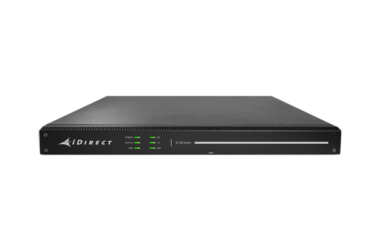
iDirect Satellite Terminal Flaws Put Link Management on the Patch List
CISA says ST Engineering iDirect iQ-Series satellite terminals running software 4.5.2.1 or earlier expose sensitive device identifiers and can be forced into reboots through weak API controls. Operators should treat the July 2 advisory as both a patch event and a management-plane exposure audit.
JadePuffer Shows Agentic Ransomware Has Moved From Theory to Logs
Sysdig says JadePuffer is the first documented ransomware operation driven end to end by an AI agent. The intrusion used a known Langflow flaw, harvested cloud and API secrets, pivoted into Nacos, and left defenders with a new problem: autonomous attack behavior that is fast, adaptive, and strangely detectable.

Anthropic Fable 5 Returns as AI Export Controls Become a Release Test
Anthropic has restored global access to Claude Fable 5 after U.S. export controls forced an 18-day shutdown. The rollback shows how frontier AI releases are moving toward security classifiers, government review, and trusted-access programs rather than ordinary software launches.

EU Biometric Border Delays Turn Smart Travel Into a Capacity Test
Europe’s Entry/Exit System is replacing passport stamps with biometric border records for non-EU travelers, but airlines and airports warn the rollout is producing queues of up to five hours before the peak summer travel season. The problem is not just passenger inconvenience: it is a real-world test of whether digital identity systems can survive airport-scale operations.

Alibaba’s $600M Settlement Turns Marketplace Compliance Into a Platform Risk
Alibaba and AUS Merchant Services will pay $600 million to resolve U.S. allegations that marketplace, messaging, and payment controls failed to stop illegal pharmaceutical and pill-press sales. The case shows why e-commerce compliance is now a platform architecture problem, not just a seller-policy problem.