


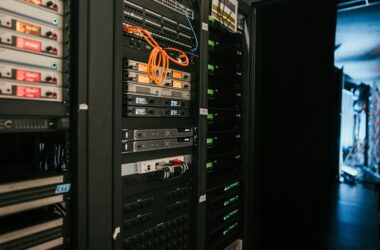
Russian Router Campaign Turns SNMP Into a Critical Infrastructure Risk
NSA, CISA, the FBI, and 15 allied agencies warn that Russian FSB Center 16 actors are still compromising poorly configured routers across critical infrastructure. The practical fix starts with SNMPv3, blocked management protocols, patched firmware, and a hard look at exposed network devices.

SharePoint’s New Exploited RCE Turns Patching Into Key Rotation Triage
CISA added Microsoft SharePoint Server CVE-2026-58644 to its exploited-vulnerabilities catalog on July 16, two days after Microsoft patched it. Admins should patch, verify AMSI, hunt for machine-key theft, and reduce internet exposure before treating the farm as clean.

Apple’s OpenAI Lawsuit Turns AI Hardware Into an IP Fight
Apple’s trade-secret lawsuit against OpenAI is not just a dispute over departing employees. It puts OpenAI’s consumer hardware plans, io Products acquisition, and Silicon Valley’s AI talent war under a legal spotlight.
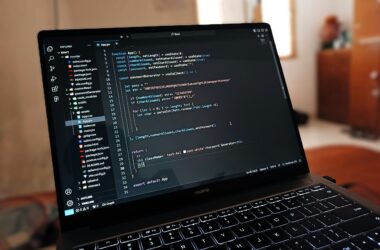
IBM Bob Makes AI Coding Costs a First-Class Engineering Metric
IBM’s latest Bob update adds multi-agent development, Bobalytics cost controls, and specialized modernization packages for Java, IBM i, and IBM Z. The move shows how enterprise AI coding tools are shifting from developer assistants into governed software delivery systems.
CMS Webshell Campaign Puts WordPress Plugins on an Emergency Checklist
Australia's cyber agency says attackers are exploiting known CMS and plugin flaws at scale to plant webshells on public websites. Site owners should treat this as a compromise check, not just a routine update reminder.

Meta Pulls Instagram AI Image Feature After Privacy Backlash
Meta has disabled the Muse Image feature that let people generate AI images using public Instagram accounts. The fast reversal shows why platforms need opt-in consent before turning public social profiles into AI reference material.

Microsoft Purview Migration Puts Defender DLP Policies on a Deadline
Microsoft is retiring Defender for Cloud Apps file policies on January 6, 2027, forcing Microsoft 365 security teams to rebuild DLP and auto-labeling controls in Purview before existing policies stop being supported or enforced.

Google Cloud Makes AlphaEvolve an Enterprise AI Optimization Service
Google Cloud has made AlphaEvolve generally available on Gemini Enterprise, turning Google DeepMind’s algorithm-discovery system into a product for enterprises that need better code for forecasting, routing, chips, logistics, scientific computing, and other hard optimization problems.

Microsoft Says AI Will Make Windows Security Updates Bigger
Microsoft says AI-assisted vulnerability discovery will increase the number of Windows security fixes customers see in each release. For IT teams, the shift makes patch operations less about one monthly event and more about continuous risk-based deployment.
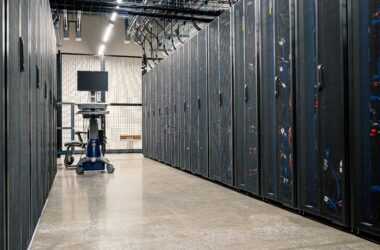
Anthropic’s $19B TeraWulf Lease Turns Old Industrial Power Into AI Compute
Anthropic has signed a 20-year lease for roughly 401 megawatts of AI data center capacity at TeraWulf’s Justified Data campus in Hawesville, Kentucky. The deal shows how AI labs are moving beyond ordinary cloud rentals and locking up power-heavy industrial sites years before capacity comes online.