


Browsing Category
AI Infrastructure
62 posts
Cloud infrastructure, chips, data centers, model deployment, edge AI, compute platforms, secure systems, and the physical infrastructure behind artificial intelligence products and services.

AI Energy Alliance Wants Flexible Data Centers to Earn Faster Grid Access
Google, NVIDIA and Emerald AI launched a coalition to make flexible computing part of U.S. grid policy. Production tests show AI facilities can cut power quickly, but tariff rules will determine whether faster connections protect other ratepayers.

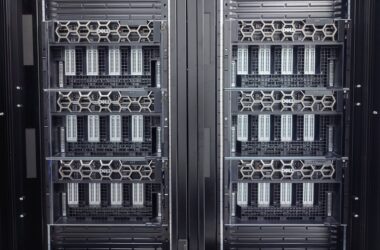
Dell’s $95B AI Server Backlog Turns Compute Demand Into a Delivery Test
Dell reported $60.9 billion in AI server orders, $16.4 billion in AI-optimized server revenue, and a $95 billion backlog in its fiscal second quarter. The numbers show how AI infrastructure demand is moving from GPU hype into a harder test of supply chains, racks, storage, networking, and delivery schedules.

OpenAI’s Jalapeño Benchmarks Turn Inference Power Into the AI Chip Fight
OpenAI published first benchmark results for Jalapeño, its Broadcom-built inference chip, claiming higher performance per watt and lower latency than leading commercial AI systems. The useful question is not whether it replaces Nvidia immediately, but whether custom inference silicon can turn power limits into a product advantage for ChatGPT, Codex, and agentic AI workloads.

Apple’s M6 Mac mini Turns Local AI Into a Desktop Buying Decision
Apple's new M6 Mac mini and M5 Ultra Mac Studio push on-device AI from laptop feature story into desktop hardware strategy. The useful question for buyers is how much local inference, memory, connectivity, and always-on agent work they actually need.

Thomson Reuters’ Own AI Model Tests the Economics of Specialized Models
Thomson Reuters launched Thomson, a proprietary AI model built from open-weight foundations and trained for legal, tax, accounting, and professional work. The launch is a useful test of whether companies with deep data and expert reviewers can own the parts of AI that matter most instead of renting every frontier capability from a general model provider.
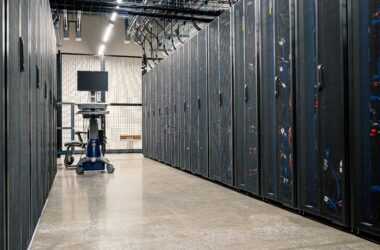
NVIDIA’s Ohio Backstop Turns OpenAI’s Data Center Demand Into Infrastructure Finance
NVIDIA is investing $1.5 billion in SB Energy and backing land, power, and shell capacity for OpenAI's planned PORTS-Pike AI data center in Ohio. The deal shows how frontier AI demand is pushing chipmakers deeper into power, real estate, financing, and local infrastructure.

Meta Muse Glimmer Pushes AI Agents Onto Local PCs
Meta released Muse Glimmer, a 30-billion-parameter open-weight model designed to run local agent workflows on consumer PCs and Macs. The release turns the open-model debate into a practical hardware, privacy, and safety question: what should happen on-device, and what still belongs in the cloud?

OpenAI’s GPT-5.6 Price Cuts Make Model Routing a Cost Test
OpenAI cut GPT-5.6 Luna API prices by 80% and Terra by 20%, while adding a faster premium path for Sol. The change makes model routing, evaluations, cache reuse, and latency budgets a practical cost-control problem for teams building AI agents and developer workflows.

Claude Opus 5 Turns Frontier AI Into a Model-Routing Decision
Anthropic released Claude Opus 5 on July 24 with near-Fable performance claims, 1 million-token context, Opus 4.8 pricing, Fast mode, and automatic fallbacks. The practical question for developers and enterprises is not only whether Opus 5 is stronger, but where it belongs in a routed AI workflow.

Qualcomm’s Chip Price Hike Could Make Android Upgrades More Expensive
Qualcomm has reportedly told customers it will raise chip prices by a double-digit percentage for shipments after September 1. The move could push Android phone makers, smart-glasses vendors, and Windows-on-Arm PC builders toward higher prices, tighter specs, or delayed launches.