


Browsing Tag
Online Privacy
13 posts



ChatGPT for Teens Makes Age Checks a Default AI Safety Layer
OpenAI launched ChatGPT for Teens on August 18, automatically applying stricter safeguards, study-focused behavior, quiet hours, and optional parental controls for users ages 13 to 17. The useful shift is not just a family settings menu, but age assurance becoming a default layer for consumer AI.
ChatGPT Voice Can Now Talk Through Your Files and Projects
OpenAI added file uploads and Projects to ChatGPT Voice, letting users talk through documents and project context instead of switching back to typing. The useful change is hands-free analysis; the risk is that voice now reaches deeper into saved work, files, and workspace settings.

Gemini Spark’s Chrome Access Turns Browser Agents Into a Trust Test
Google is adding Chrome auto-browse access to Gemini Spark, letting the AI agent use logged-in accounts and saved passwords with permission. The feature makes browser agents more useful, but also raises sharper questions about prompt injection, payment handoffs, and account boundaries.
Meta AI’s New Assistant Pushes Calendar Access Into the Agent Era
Meta AI can now connect to calendars and email, create daily briefings, run recurring tasks, generate research reports, and build slides. The July 24 rollout is a useful step toward personal AI agents, but it also makes app permissions, account boundaries, and recurring automation harder to ignore.
TikTok’s AI Likeness Tool Turns Deepfake Detection Into Creator Control
TikTok is testing an opt-in tool that scans for AI-generated versions of a creator’s face and lets them report unauthorized uses. The test shows how social platforms are turning deepfake enforcement into a new identity-verification and creator-control workflow.

Meta Pulls Instagram AI Image Feature After Privacy Backlash
Meta has disabled the Muse Image feature that let people generate AI images using public Instagram accounts. The fast reversal shows why platforms need opt-in consent before turning public social profiles into AI reference material.

Pegasus Hack of EU Spyware Investigator Exposes a Parliamentary Security Gap
Citizen Lab says former European Parliament member Stelios Kouloglou was infected with NSO Group’s Pegasus spyware while serving on the committee investigating spyware abuse in Europe. The case shows why parliaments, regulators, journalists, and other high-risk users need routine phone screening and clearer response paths for spyware warnings.
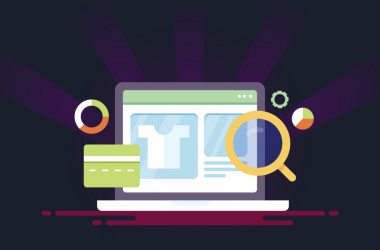
Google Search Console’s AI Toggle Gives Publishers a Real Choice
Google’s new Search generative AI control lets some site owners keep their pages out of AI Overviews, AI Mode, and generative AI features in Discover without leaving regular Search. The tradeoff is visibility: opting out also means giving up links, impressions, and traffic from those AI search surfaces.

Citizen Lab Says Russia Used Cellebrite on Activist’s iPhone After Cutoff
Citizen Lab says Russian authorities used Cellebrite forensic tools on activist Andrey Pivovarov’s iPhone months after Cellebrite said it had stopped selling to Russia and Belarus. The case turns phone forensics into a control problem: what happens when extraction tools keep working after a vendor cuts off a customer?