


Browsing Tag
AI Infrastructure
23 posts
Chips, cloud, data centers, networking, and power infrastructure behind AI systems.

Microsoft Maia 300: Specs, 2027 Rollout, and What the Claims Mean
Microsoft’s Maia 300 packs eight HBM4 stacks into a 950W accelerator and 96 chips into a 167kW rack. Here’s what its 2027 rollout means.

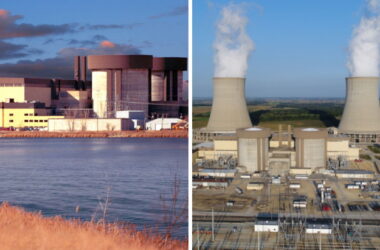
Google’s Constellation Nuclear Deal: What the 3.59 GW Figure Really Means
Google and Constellation signed agreements covering 3.59 GW in PJM, but only 890 MW is planned new nuclear capacity. Here is how the uprates, supply contract and Gemini work differ.
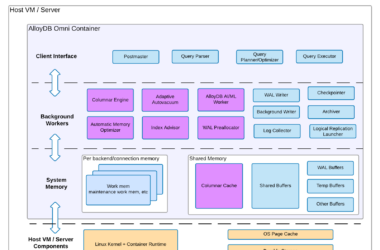
Google’s AlloyDB Isolates AI Agent Queries From Production PostgreSQL
Google’s new AlloyDB preview gives AI agents isolated, scale-to-zero access to fresh production data. Here is what it solves, what remains risky, and what teams should test.
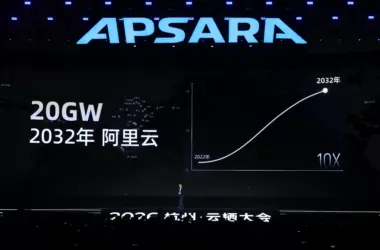
Alibaba’s Zhenwu V900 Turns China’s AI Push Into a Full-Stack Scale Test
Alibaba’s Zhenwu V900 pairs 216 GB of memory with a Qwen 4 roadmap and a 20 GW cloud target. Here is what is shipping, what remains a claim, and what buyers should verify.

AI Energy Alliance Wants Flexible Data Centers to Earn Faster Grid Access
Google, NVIDIA and Emerald AI launched a coalition to make flexible computing part of U.S. grid policy. Production tests show AI facilities can cut power quickly, but tariff rules will determine whether faster connections protect other ratepayers.
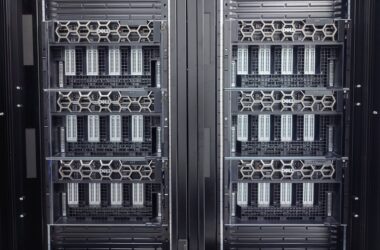
Dell’s $95B AI Server Backlog Turns Compute Demand Into a Delivery Test
Dell reported $60.9 billion in AI server orders, $16.4 billion in AI-optimized server revenue, and a $95 billion backlog in its fiscal second quarter. The numbers show how AI infrastructure demand is moving from GPU hype into a harder test of supply chains, racks, storage, networking, and delivery schedules.
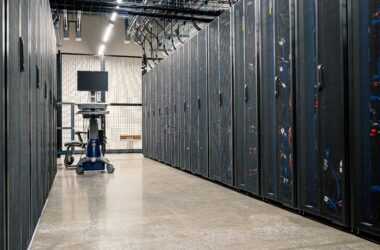
NVIDIA’s Ohio Backstop Turns OpenAI’s Data Center Demand Into Infrastructure Finance
NVIDIA is investing $1.5 billion in SB Energy and backing land, power, and shell capacity for OpenAI's planned PORTS-Pike AI data center in Ohio. The deal shows how frontier AI demand is pushing chipmakers deeper into power, real estate, financing, and local infrastructure.
Anthropic’s $19B TeraWulf Lease Turns Old Industrial Power Into AI Compute
Anthropic has signed a 20-year lease for roughly 401 megawatts of AI data center capacity at TeraWulf’s Justified Data campus in Hawesville, Kentucky. The deal shows how AI labs are moving beyond ordinary cloud rentals and locking up power-heavy industrial sites years before capacity comes online.
Stargate UK Turns AI Data Center Promises Into a Credibility Test
Fresh reporting on OpenAI's paused Stargate UK project shows why AI data center announcements now need harder questions about power, planning, signed offtake, and local coordination before investors, governments, and customers treat headline capacity as real infrastructure.

UN AI Report Turns Governance Into a Compute and Capacity Test
The UN’s first global scientific AI assessment warns that governance is now tied to compute access, local expertise, language coverage, and real-world model evaluation. The report arrives before the July 6-7 Global Dialogue on AI Governance in Geneva.