


Browsing Category
Tech Policy
89 posts
Technology policy, regulation, government action, digital rights, platform rules, AI governance, cybersecurity policy, privacy law, and public-sector decisions affecting technology and the internet.

Meta’s Virtue AI Hires Move Agent Security Into the Model Lab
Meta Superintelligence Labs is hiring Virtue AI co-founders Bo Li, Dawn Song, Sanmi Koyejo and other team members. The move brings automated red teaming, runtime guardrails, and agent-action security closer to Meta’s frontier AI work as labs race to make agents safer before they reach billions of users.


Instagram Is Making Its Algorithm Controls Harder to Ignore
Instagram is testing new ways to surface its Your Algorithm controls directly inside Feed and Reels. The change gives users more topic-level control over recommendations, but it still does not solve the biggest complaint from creators and users: seeing more posts from accounts they already follow.
Mythos Limits Are Already Pushing AI Cyber Tools Toward Alternatives
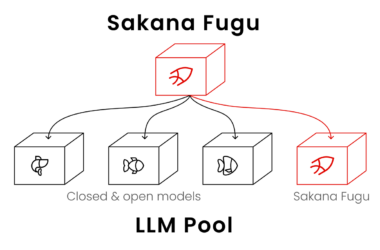
Anthropic’s Mythos 5 is returning only for approved U.S. cyber defenders while Fable 5 remains restricted. In the same week, Sakana AI and 360 Security showed why AI cyber capability is becoming a provider-risk and sovereignty problem, not just a model benchmark race.

Pax Silica Summit Turns AI Policy Into a Supply Chain Race
The second Pax Silica Summit brought 35 countries behind an AI Opportunity statement and expanded the U.S.-led supply-chain initiative to 24 signatories. The move shows AI policy shifting from abstract model rules toward chips, energy, critical minerals, data centers, logistics, and manufacturing capacity.

FCC Turns Emergency Alert Cybersecurity Into a Baseline Requirement
The FCC adopted targeted cybersecurity rules for Emergency Alert System participants after years of warnings about default passwords, unpatched gear, and internet-exposed alerting equipment. Broadcasters and cable operators will have 60 days after Federal Register publication to meet the new baseline.

RAISE US Launches $500M AI Workforce Push With OpenAI and Anthropic Backing
RAISE US, a bipartisan nonprofit led by Gina Raimondo and Eric Holcomb, launched with more than $500 million to test AI workforce programs with states, employers, and major tech backers including OpenAI, Anthropic, Microsoft, and Amazon.

Anthropic’s Mythos Test Shows Why AI Cyber Defense Is Becoming Classified Work
An Anthropic Mythos test with U.S. intelligence agencies reportedly found vulnerabilities in highly sensitive government systems within hours. The episode sharpens the policy problem around frontier AI: the same models that can help defenders fix critical software can also compress the timeline for attackers.

OpenAI Launches GPT-5.6 Sol Under Government-Restricted Preview
OpenAI has launched GPT-5.6 Sol, Terra, and Luna in a restricted preview after U.S. government review. The release brings new pricing, API and Codex access limits, stronger cyber safeguards, and a clearer look at how frontier model launches are becoming governed deployments.

Citizen Lab Says Russia Used Cellebrite on Activist’s iPhone After Cutoff
Citizen Lab says Russian authorities used Cellebrite forensic tools on activist Andrey Pivovarov’s iPhone months after Cellebrite said it had stopped selling to Russia and Belarus. The case turns phone forensics into a control problem: what happens when extraction tools keep working after a vendor cuts off a customer?

Microsoft’s StealC and Amadey Takedown Hits the Credential-Theft Supply Chain
Microsoft, Europol, and security partners disrupted infrastructure used by StealC and Amadey, two malware-as-a-service tools tied to credential theft, ransomware access, and financial fraud. The operation matters because it targeted the supply chain behind intrusions, not just one malware family.