


Browsing Category
AI
197 posts
Artificial intelligence news, AI products, model updates, automation, AI safety, regulation, infrastructure, and the practical impact of AI on software, security, work, and everyday technology.
NVIDIA’s Open Agent Safety Platform Moves Guardrails Outside the Model
NVIDIA’s OpenShell runtime restricts AI-agent files, networks, processes and credentials, while Sentry adds a BlueField-4 hardware watchdog. Here is how the stack works and where its claims still need proof.


AMD’s $8.2B World Labs Deal Is a Bet on AI Beyond Language
AMD is buying Fei-Fei Li’s World Labs for $8.2 billion. The strategic prize is a model lab that can shape future chips, robotics simulation, and the physical AI stack.
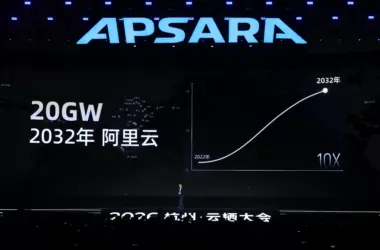
Alibaba’s Zhenwu V900 Turns China’s AI Push Into a Full-Stack Scale Test
Alibaba’s Zhenwu V900 pairs 216 GB of memory with a Qwen 4 roadmap and a 20 GW cloud target. Here is what is shipping, what remains a claim, and what buyers should verify.

EvilTokens Disruption Exposes the Device-Code Phishing Gap
Microsoft and partners disrupted EvilTokens after more than 12,000 inbox compromises. Here is how device-code phishing bypasses normal expectations and what Microsoft 365 teams should change now.
Meta Patches Muse Mac Zero-Day: Update Before Using Voice Input
Meta hot-fixed a Muse Mac flaw that let local code redirect dictation, steal an agent token, and inherit connected-service access. Here is how it worked and what users should check now.
Palo Alto Launches Always-On AI Pentesting With Mythos 5 and GPT-5.6-Cyber
Palo Alto Networks' Unit 42 now uses Mythos 5, GPT-5.6-Cyber, and open models for continuous attack-path testing. Its own results show why buyers should judge the harness, controls, and remediation workflow, not just the models.
Amazon Blocks Meta’s Muse, Exposing AI Shopping’s Permission Problem
Amazon blocked Meta’s Muse from shopping on its site, exposing unresolved rules around agent identity, merchant consent, credentials, and checkout.
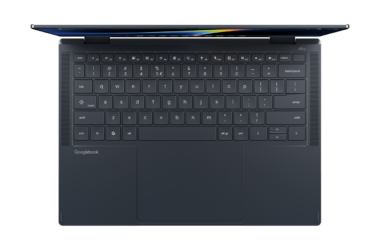
Googlebook Preorders Are Open: Which Android Laptop Fits You?
Googlebook preorders are open from $899. Compare Acer, Dell, Lenovo, HP, and ASUS models, then check Android, app, battery, and software tradeoffs before buying.
Siri AI on iOS 27: Supported iPhones, Setup, and Limits
Siri AI arrives with iOS 27, but device, language, age, and regional rules make access confusing. Here is how to check support, turn it on, test its best features, and understand the limits.

Claude for Financial Advisors Turns Wealth AI Into a Workflow Test
Anthropic and Charles Schwab are bringing Claude into registered investment advisor workflows through connectors, skills, audit logs, and approval gates. The launch is a useful test of whether wealth-management AI can handle regulated work without turning financial advice into a chatbot free-for-all.