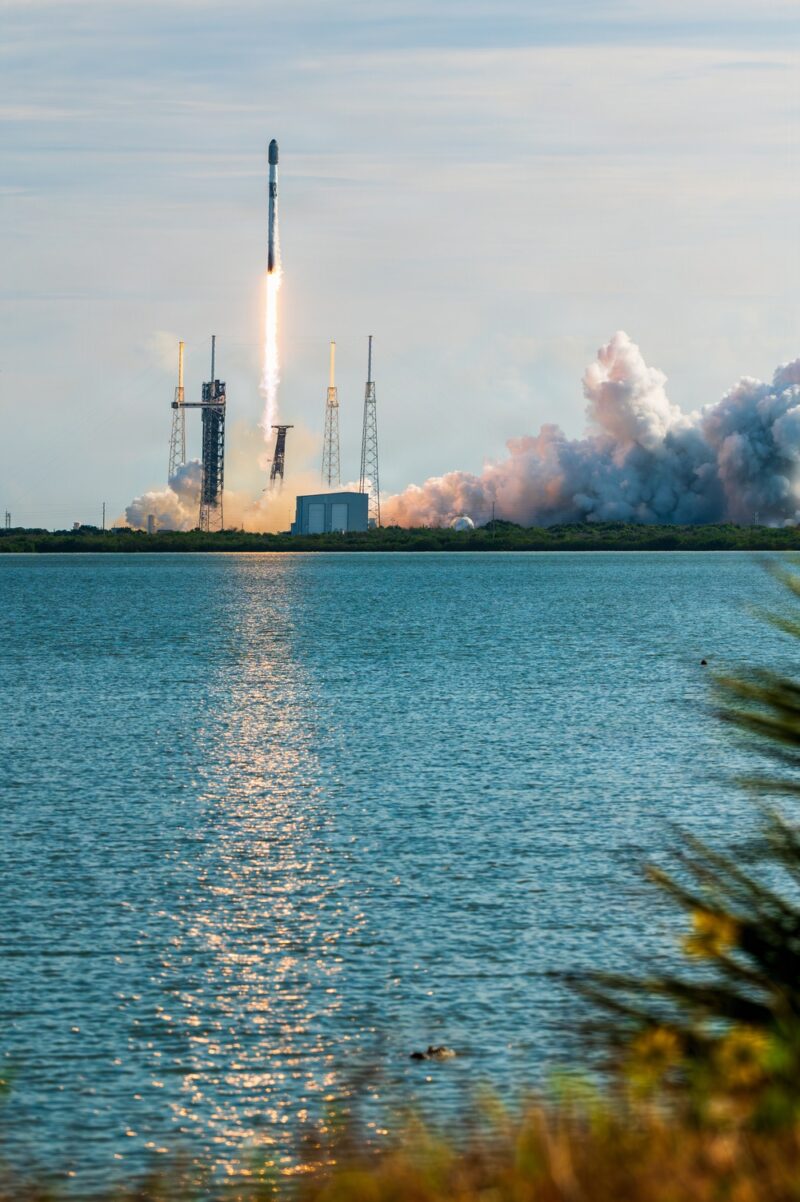
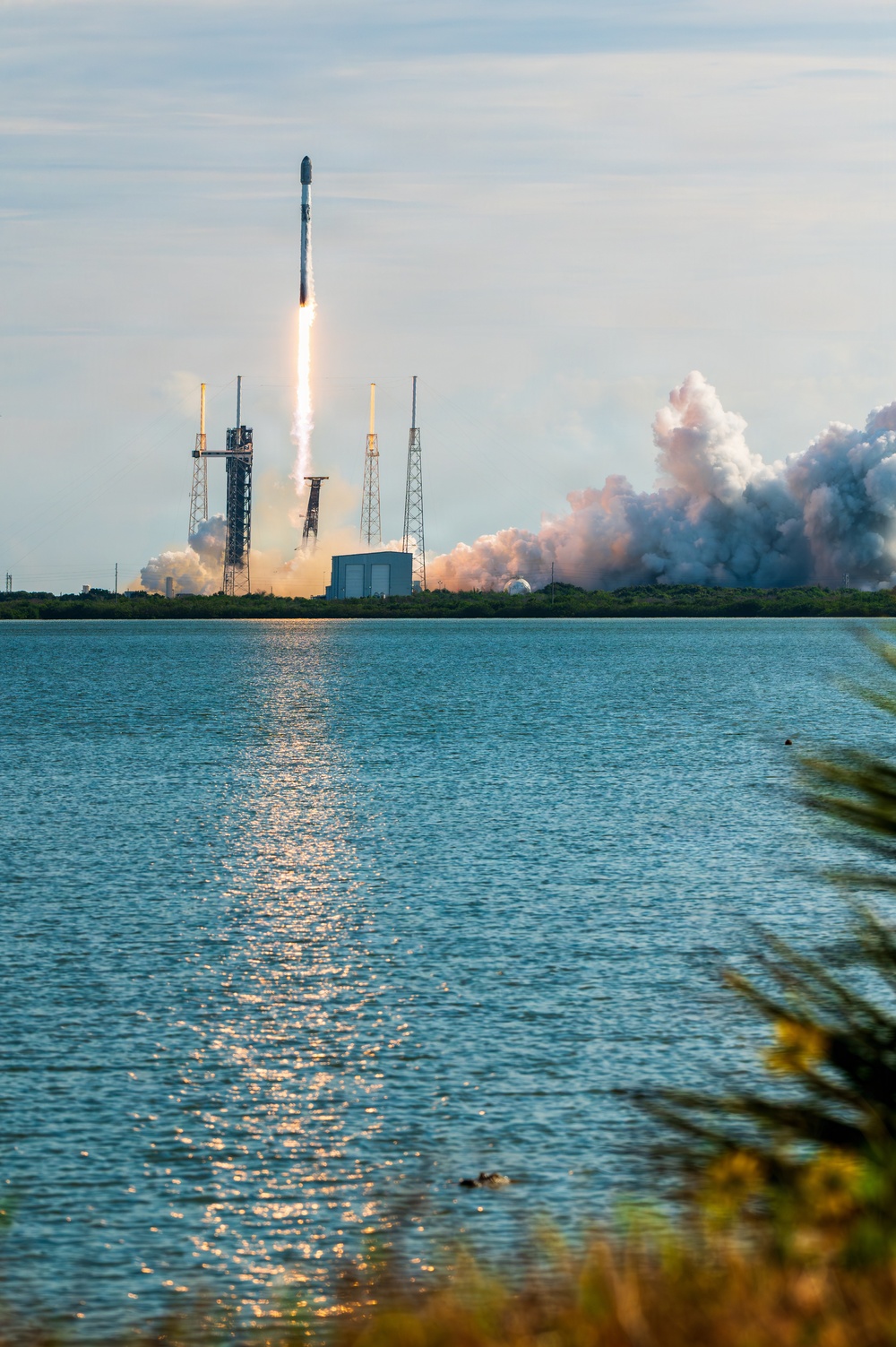
SpaceX began trading on the Nasdaq on Friday under the ticker SPCX, turning one of the world’s most important private technology companies into a public-market bet on satellite broadband, reusable launch, defense communications, and artificial intelligence infrastructure.
The offering was already historic before the first trade. In a filing tied to its global offer, SpaceX described a sale of 555,555,555 shares at $135 each, a base offering of roughly $75 billion. Public-market reports on Friday put the opening trade around $150, with the stock closing near $160 after a volatile first day, pushing the company’s market value above $2 trillion.
That headline number will draw the most attention, along with the effect on Elon Musk’s net worth. But for technology readers, the more important question is what SpaceX has actually brought to market. This is no longer a clean story about rockets. SpaceX is asking investors to value a company whose strongest operating engine is Starlink, whose launch cadence underpins that network, and whose most speculative upside now includes xAI, orbital compute, and data-center-scale artificial intelligence.
Starlink is the cash engine
SpaceX’s public pitch leans heavily on the idea that launch, connectivity, and AI reinforce one another. Falcon 9 and Starship are the deployment layer. Starlink is the recurring communications business. xAI brings a much more capital-hungry AI layer that depends on enormous compute buildouts and, in SpaceX’s longer-range telling, could eventually use space-based power and orbital infrastructure.
The practical near-term business still begins with Starlink. The company’s S-1 describes Starlink as a global broadband and mobile connectivity network with thousands of satellites in low Earth orbit and service across many countries and territories. Recent coverage of the filing has highlighted Starlink as SpaceX’s largest and most mature revenue source, with the broader company reporting $18.7 billion in 2025 revenue while still posting a multibillion-dollar annual loss.
That split matters because it separates the durable infrastructure story from the moonshot story. Starlink is already a real network used by households, aircraft, ships, businesses, emergency responders, and governments. SpaceX’s launch business gives it unusual control over the cost and timing of deploying that network. Most telecom companies cannot launch their own satellites. Most satellite companies cannot reuse their own rockets at SpaceX’s cadence.
The AI piece changes the risk profile
The xAI piece is what makes the IPO feel different from a traditional aerospace listing. SpaceX’s public materials and executive comments have tied the company’s future not only to communications and launch, but also to AI infrastructure. In an SEC-filed transcript of a June 8 interview, SpaceX executives framed launch reusability, Starship capacity, and satellite infrastructure as foundational pieces of the company’s long-term expansion.
That pitch arrives at a moment when investors are already trying to price the capital demands of AI. Data centers, power contracts, advanced chips, model training, and networking have become central costs for the biggest technology companies. SpaceX is now entering the public market with a story that bundles those costs with physical infrastructure in orbit.
For readers trying to understand the IPO, that means SpaceX should not be judged only as a launch company or only as an internet provider. The stock is also a bet that the company can convert Starlink’s network and SpaceX’s launch advantage into a broader infrastructure platform for AI, defense, direct-to-device communications, and future orbital services.
The risk is that those bets mature on very different timelines. Starlink already sells service. Falcon launches are routine by space-industry standards. Starship, orbital data centers, and AI infrastructure at the scale SpaceX has described are still far more uncertain. Public investors are now being asked to hold all of those timelines inside one valuation.
Why the first-day pop matters less than the filing
Friday’s trading will be remembered for its scale. Business Insider’s live market coverage reported that SpaceX shares rose as much as 30% intraday before closing up about 19%, while The Guardian reported that the debut left SpaceX valued around $2.1 trillion by the close. Those are extraordinary numbers for any newly public company.
But a first-day jump does not answer the harder questions in the prospectus. Investors still have to decide how much of SpaceX’s valuation belongs to the existing Starlink business, how much belongs to launch and Starship, and how much belongs to AI projects that may require years of spending before their returns are clear.
That distinction matters for ordinary investors too. A company this large can quickly become part of index products, retirement portfolios, and broad market exposure even for people who never choose to buy the stock directly. The SpaceX IPO is therefore not only a story about a famous founder or a spectacular launch-day valuation. It is also a test of how much speculative AI-and-space infrastructure risk public markets are willing to absorb.
What to watch next
The next useful signals will not come from the stock chart alone. Watch Starlink subscriber growth, average revenue per user, direct-to-device partnerships, launch costs, Starship reliability, government-contract concentration, and the amount of capital flowing into xAI-linked data-center plans. Those details will show whether SpaceX is becoming a self-reinforcing infrastructure company or whether investors have priced decades of ambition into the first day of trading.
SpaceX has changed the public-market map either way. The IPO gives investors a single ticker for reusable rockets, satellite internet, AI compute ambition, defense communications, and Musk’s broader technology empire. That combination is exactly why the listing drew such demand, and exactly why it deserves closer scrutiny than a simple celebration of the largest IPO on record.