Microsoft is removing the remaining 10 eMudhra root certificates from the Windows trusted root list on November 16, expanding an October emergency response into a broader trust-store cleanup that also reaches Edge, WebView2, Azure Linux and several developer tools.
The change is automatic for Windows devices that can reach Microsoft’s certificate trust update service. Edge and WebView2 receive a separate PKI Metadata component update, which Microsoft says devices check roughly every 10 hours and shortly after a new app launch. Once those updates arrive, certificates that depend on the removed roots will no longer validate by default.
This is wider than the Chrome-specific eMudhra root removal TechsCurrent covered in October. It also creates different deadlines across Microsoft products: some changes land today, some wait for upstream certificate bundles, and the .NET SDK is not scheduled to receive its updated signing trust bundle until December.
What Microsoft is changing on November 16
According to Microsoft’s current rollout table, the Microsoft Trusted Root Program is removing 10 remaining eMudhra roots. Windows will receive the change through the operating system’s automatic certificate trust mechanism, including Windows virtual machines running in Azure when they can reach the update endpoint.
Edge and WebView2 are fully removing default trust for four remaining roots: emSign Root CA – G1, emSign Root CA – C1, emSign ECC Root CA and emSign Root TLS CA – G1. Because this arrives as a component update, administrators should not use the installed Edge version alone as proof that a device has received the new trust policy.
Azure Linux is removing the affected roots and refreshing virtual-machine and container images. Azure CLI 2.93.0 is also due November 16 and removes emSign Root CA – C1 and emSign ECC Root CA – C3 from its bundled CA store. Those are separate update paths: rebuilding an Azure Linux container does not update a developer’s locally installed Azure CLI, and updating the CLI does not refresh a running container.
Several Microsoft products follow a later clock
The November 16 date is not a single finish line. Microsoft lists the following dependencies:
- API Management self-hosted gateway: a new gateway image follows an updated Alpine .NET base image after Mozilla’s November 16 certificate-store release.
- .NET containers: Microsoft will refresh images as upstream
ca-certificatespackages change, beginning with Azure Linux. The .NET SDK’s package-signing trust bundle is scheduled for December. - Microsoft Build of OpenJDK: its Mozilla-derived root store updates after the November 16 Mozilla release through the normal Critical Patch Update process.
- VS Code: version 1.147.0, scheduled for November 18, includes the relevant signing fixes. A corrected
node-vsce-signpackage was published on November 12. - npm: Microsoft says no additional registry, website or CLI action is required. Node 24.22.1 already blocks the compromised intermediates and removes several eMudhra roots, while the CLI relies on Node’s built-in root store.
These differences matter most in mixed fleets. A website may work in Chrome but fail in a Windows-native client, or work in Edge while an older Java service, .NET SDK or container still follows a different trust bundle. WebView2 also sits inside desktop applications, so a certificate error may surface as a broken sign-in panel, embedded dashboard or update flow rather than an obvious browser warning.
Why Microsoft is removing roots that were not reported compromised
The original incident involved eight eMudhra intermediate certificate-authority keys, six for TLS and two for code signing. The keys were not stolen from Microsoft. They were generated so weakly that their private values could be recovered from public information, allowing someone who derived them to create certificates or signed code that appeared to come from a trusted issuer.
eMudhra says a key wrap-and-unwrap step during an April 2025 key-generation ceremony produced a second weak set of keys alongside the intended strong keys. Staff then used the weak set in certificate requests. The company revoked the eight intermediates on October 18 and says they had not issued public end-entity certificates. Chrome reported that no TLS certificates chaining through the six affected TLS intermediates appeared in Certificate Transparency logs before its block.
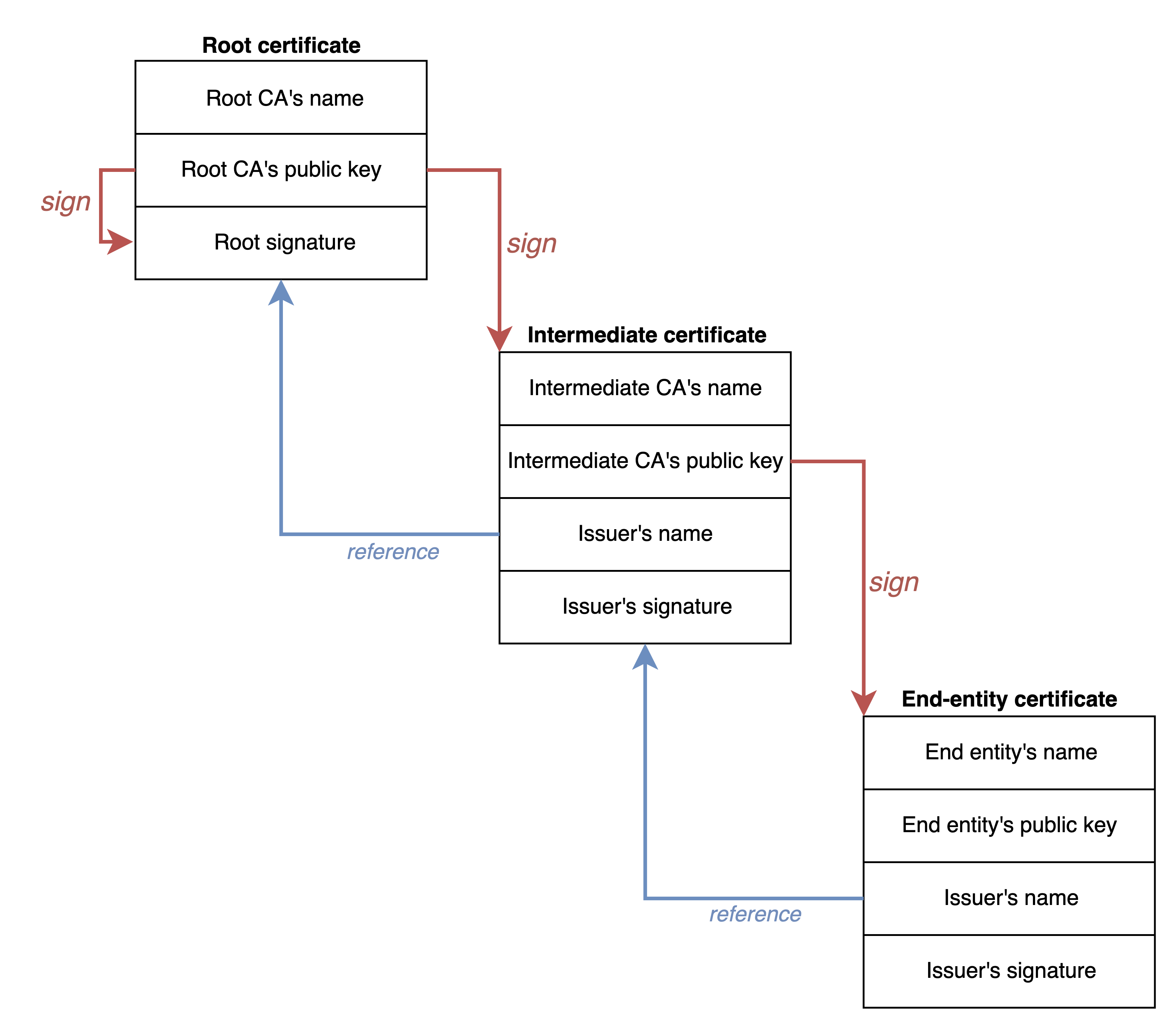
Root-store operators are taking broader action because trust is not limited to proving that a specific root private key leaked. A public CA must also show that its processes can reliably generate, label, audit and publish the correct keys. Microsoft had already blocked the eight affected authorities in October; today’s removals retire the remaining eMudhra roots from its default trust program.
Do not confuse Microsoft’s removal with Chrome’s date rule
eMudhra’s incident page describes November 16 as an SCTNotAfter date for Chrome and Firefox. In those programs, the policy blocks certificates issued under the emSign G1 hierarchy after the cutoff but does not invalidate an otherwise acceptable certificate issued before it.
Microsoft’s Windows and Edge plan is more direct: it removes roots from default trust. A certificate’s issuance date does not rescue a chain when the root at the top is no longer trusted. Apple has a separate November 30 date for removing G1, so successful testing on an Apple device today does not prove that a service is ready for the end of the month.
What administrators should verify now
- Inventory eMudhra and emSign chains. Check public sites, APIs, VPNs, mail services, load balancers, appliance consoles and internal endpoints. Include applications that embed WebView2 and services with private Java, Node, Python or .NET trust stores.
- Confirm the update path, not just the product version. Verify that Windows endpoints can receive automatic trusted-root updates. Restart Edge and WebView2-based applications where practical, then retest after the component update window.
- Rebuild, redeploy and test containers. Pull refreshed Azure Linux and .NET base images when available. A package update on the host does not change a previously built container layer.
- Update Azure CLI separately. Move managed workstations and build runners to Azure CLI 2.93.0, then exercise real login, package, deployment and API workflows.
- Test every client family that matters. Use Windows native applications, Edge, WebView2, command-line clients, Java, .NET and representative mobile devices. Test through corporate TLS inspection and external networks because they may present different chains.
- Do not restore the roots locally as a shortcut. Microsoft specifically warns organizations to be cautious about adding trust back. Replace the dependent certificate chain or obtain a certificate from another publicly trusted hierarchy instead.
Google’s November 12 Firebase guidance shows why operating-system updates are not sufficient by themselves: Flutter, Dart, several Cloud Firestore SDKs and the Firebase App Distribution Gradle plugin carried embedded root bundles and needed their own releases. Certificate trust lives in browsers, operating systems, runtimes, containers, SDKs and appliances, and each copy can age on a different schedule.
The immediate task is therefore not to look for one universal patch. It is to map which trust store each important workflow actually uses, apply the relevant update, and replace any service certificate that still ends at an eMudhra root Microsoft is removing.