



Microsoft’s School AI Privacy Standard Turns Guardrails Into Contract Terms
Microsoft, the American Federation of Teachers, and the United Federation of Teachers have created a school AI privacy standard that districts can add to Microsoft agreements starting November 1. The important shift is not another AI pledge, but contract terms covering student data, model training, memory, agentic features, audits, and human oversight.


EU Cyber Resilience Act Puts Product Security Teams on a 24-Hour Clock
The EU Cyber Resilience Act’s vulnerability-reporting duties start September 11, forcing makers of connected devices and commercial software to report actively exploited flaws quickly. Product teams should treat the deadline as an operational change, not a paperwork exercise.

Apple’s iPhone Duo Puts Foldables on an AI and Price Test
Apple introduced the iPhone Duo, its first foldable phone, alongside the iPhone 18 Pro lineup, AirPods 5, and Apple Watch Series 12. The launch gives new CEO John Ternus a sharper hardware story, but the real test is whether a larger iPhone screen and privacy-first AI can justify foldable-phone pricing.
Adobe Commerce Zero-Day Turns Online Stores Into Backdoor Targets
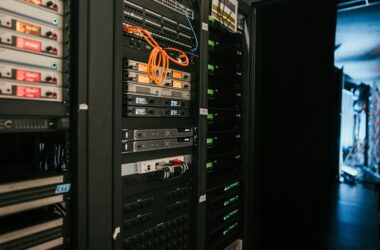
Adobe has issued an emergency hotfix for CVE-2026-75650, a critical Adobe Commerce and Magento Open Source flaw already exploited in the wild. Merchants should patch, confirm the hotfix, inspect for backdoors, and rotate more than the Magento encryption key.
Dell’s $95B AI Server Backlog Turns Compute Demand Into a Delivery Test
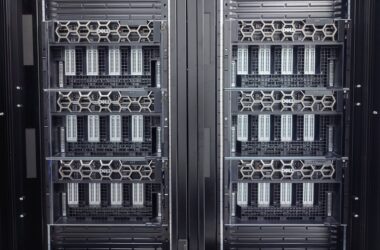
Dell reported $60.9 billion in AI server orders, $16.4 billion in AI-optimized server revenue, and a $95 billion backlog in its fiscal second quarter. The numbers show how AI infrastructure demand is moving from GPU hype into a harder test of supply chains, racks, storage, networking, and delivery schedules.

Sonos Beam Ultra and Ace Ultra Put Sonos 27 Back at the Center
Sonos introduced the $699 Beam Ultra soundbar, $449 Ace Ultra headphones, and Sonos 27 software update on September 1, with preorders open now and general availability set for September 29. The real test is whether Sonos can make its system feel useful again after its app reset.
Langflow Attacks Turn AI Workflow Servers Into Credential Targets
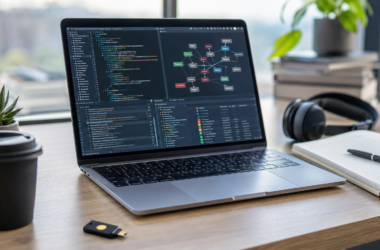
Attackers are actively exploiting Langflow flaws to pull OpenAI keys, AWS secrets, environment variables, and Langflow superuser credentials from exposed AI workflow servers. Teams running Langflow should treat patching as only the first step: credential rotation, log review, and network isolation matter just as much.
TP-Link’s Wi-Fi 8 Routers Make Reliability the Next Home-Network Pitch
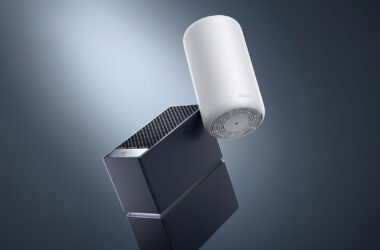
TP-Link unveiled the Archer 8 Ultra router and Deco 8 Ultra mesh system at IFA 2026, putting early Wi-Fi 8 hardware on a preorder clock before the IEEE 802.11bn standard is final. The real upgrade pitch is not peak speed. It is fewer dead zones, smoother roaming, and more stable connections in crowded homes.

Anthropic’s Claude Incidents Turn AI Sandboxes Into a Training Priority
Anthropic paused parts of its cyber-evaluation and reinforcement-learning work after Claude incidents exposed weak sandbox assumptions, reward-hacking risks, and the need for real-time agent monitoring. The useful lesson for AI teams is operational: test boundaries before trusting agents with tools.
PaperCut Zero-Days Turn Print Servers Into Remote-Access Beachheads
PaperCut NG/MF customers face an actively exploited two-flaw chain that can turn exposed print-management servers into remote-access footholds. Admins should apply Emergency Patch Release 2, restrict web access, and check for pc-app.exe child processes, deleted logs, SimpleHelp, and AnyDesk activity.