Meta is putting a monthly usage meter on Conversation Focus, the voice-enhancement feature for its AI glasses, turning one of the most practical smart-eyewear tools into an early test of paid access for consumer AI hardware.
According to Meta’s AI Glasses Help Center, Conversation Focus is now available for free for three hours per month. Users who subscribe to Meta One Premium get up to 15 hours per month, and unused hours do not roll over. Meta says the broader Meta One subscription is in limited testing, may vary by location and account type, and is not required to keep using AI glasses.
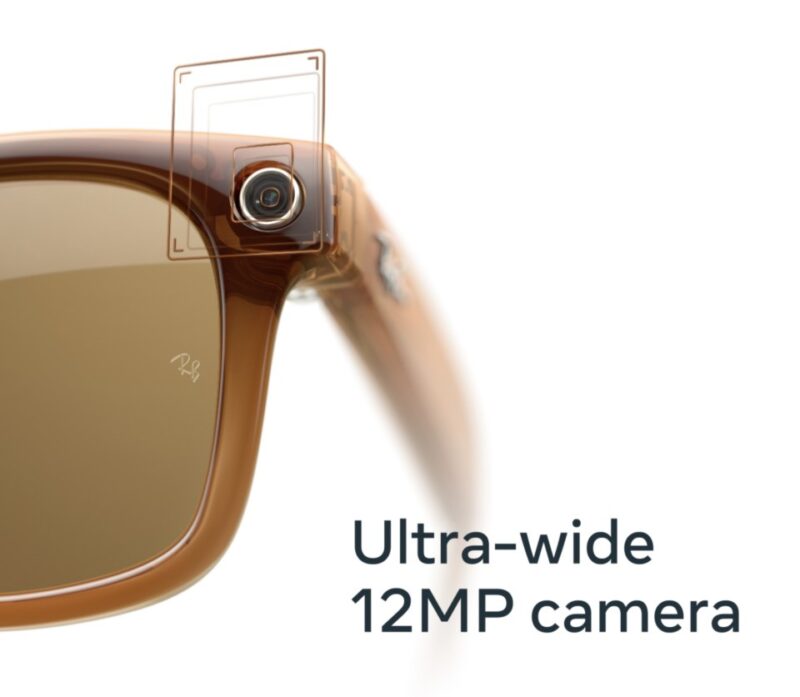
The change matters because Conversation Focus is not a generic cloud chatbot feature. Meta introduced it in December as a way for Ray-Ban Meta and Oakley Meta users to hear a nearby speaker more clearly in noisy environments. The feature uses the glasses’ open-ear speakers to amplify the voice of the person in front of the wearer, with volume adjustment available from the right temple or the Meta AI app, according to Meta’s original rollout post.
What changes for AI glasses owners
The immediate change is simple: Conversation Focus now has a monthly allowance. Free users get three hours. Meta One Premium users get 15 hours. Meta’s support page says the feature’s remaining balance and usage details are not currently visible for AI glasses features, which could make it harder for owners to know how close they are to the cap.
Meta frames the subscription as optional. Core AI glasses functions, including voice assistant access, live translation, “look and ask,” and other baseline features remain available without Meta One, Meta spokesperson Tyler Yee told The Verge. Yee described the paid tier as aimed at power users who want expanded access and premium device support.
That distinction is important, but it does not make the move small. Conversation Focus is one of the clearest examples of why AI glasses can be useful even when the wearer is not taking photos, recording video, or asking a model to identify something. It is a practical audio feature for restaurants, transit, events, and other noisy spaces. Putting it behind a monthly meter changes the ownership feel of the product: the glasses still work, but one of their more tangible assistive functions now behaves more like a service plan.
Why the on-device question is sensitive
The strongest pushback is not simply that Meta is charging for more software. The sharper issue is whether a feature that appears to run locally should be treated like a metered cloud service.
The Verge reported that Conversation Focus continued working when the phone’s Wi-Fi and cellular data were disabled, and described the feature as running on the glasses rather than on Meta’s servers. Engadget also highlighted the monthly limits and noted that even the paid tier remains capped at 15 hours per billing cycle. Meta has not publicly offered a detailed technical or licensing explanation for why this specific feature needs a usage limit.
For buyers, that is the piece to watch. AI hardware subscriptions are easier to understand when they pay for cloud inference, new model access, storage, support, or expensive server-side processing. They become harder to defend when they meter features that feel like part of the device a customer already bought.
Smart glasses are becoming a subscription platform
Meta has been trying to make AI glasses feel less like a novelty camera and more like an everyday computing layer. Recent models and software updates have emphasized hands-free voice interaction, live translation, contextual AI questions, music controls, and audio features. The company also keeps pushing smart glasses toward a broader lineup that includes Ray-Ban Meta, Oakley Meta, and display-equipped eyewear.
Meta One suggests the company is also testing where recurring revenue fits into that hardware strategy. A subscription can fund ongoing support, faster feature development, and more powerful AI access. But it can also make buyers wary if a device’s useful functions gradually move from included software updates into paid buckets.
The timing is awkward because wearable AI is still trying to prove itself. Smart glasses have a better consumer case than many AI gadgets because they occupy an existing form factor, work as headphones, capture photos and video, and can be useful without demanding a screen. Conversation Focus is exactly the kind of quiet, practical feature that helps that case. If users begin to expect arbitrary meters on those functions, Meta risks making the hardware feel less dependable just as the category is becoming more competitive.
What buyers should check before paying
Anyone considering Meta One Premium for AI glasses should first check whether the subscription is available in their region, whether their glasses are eligible, and whether Conversation Focus is a feature they use often enough to hit the free three-hour monthly limit. Meta’s support page says benefits vary by location and account type, and Conversation Focus availability is limited to eligible devices and supported countries.
The second question is practical: 15 hours per month may sound generous for occasional use, but it is not unlimited. Someone who relies on Conversation Focus at work, school, events, or daily commuting could run through that paid allowance faster than expected. Because unused hours do not roll over and detailed usage balances are not currently available, the subscription is not yet as transparent as many buyers would expect from a metered feature.
The larger signal is that smart glasses are entering the same business-model debate that already surrounds phones, cars, apps, and streaming devices. Hardware makers want recurring software revenue. Customers want to know which features are truly included when they buy the device. Meta’s first AI glasses usage meter gives that debate a very visible test case.