


Browsing Category
How-to
66 posts
Step-by-step technology guides, practical tutorials, troubleshooting help, software tips, device setup, privacy guidance, and useful how-to coverage for everyday users.

EU Cyber Resilience Act Puts Product Security Teams on a 24-Hour Clock
The EU Cyber Resilience Act’s vulnerability-reporting duties start September 11, forcing makers of connected devices and commercial software to report actively exploited flaws quickly. Product teams should treat the deadline as an operational change, not a paperwork exercise.


Adobe Commerce Zero-Day Turns Online Stores Into Backdoor Targets
Adobe has issued an emergency hotfix for CVE-2026-75650, a critical Adobe Commerce and Magento Open Source flaw already exploited in the wild. Merchants should patch, confirm the hotfix, inspect for backdoors, and rotate more than the Magento encryption key.

Langflow Attacks Turn AI Workflow Servers Into Credential Targets
Attackers are actively exploiting Langflow flaws to pull OpenAI keys, AWS secrets, environment variables, and Langflow superuser credentials from exposed AI workflow servers. Teams running Langflow should treat patching as only the first step: credential rotation, log review, and network isolation matter just as much.
PaperCut Zero-Days Turn Print Servers Into Remote-Access Beachheads
PaperCut NG/MF customers face an actively exploited two-flaw chain that can turn exposed print-management servers into remote-access footholds. Admins should apply Emergency Patch Release 2, restrict web access, and check for pc-app.exe child processes, deleted logs, SimpleHelp, and AnyDesk activity.

OpenAI’s Assistants API Shutdown Puts Agent Apps on a Migration Clock
OpenAI’s Assistants API reaches its August 26, 2026 shutdown date today, forcing remaining beta-era agent apps toward the Responses API, Conversations, and dashboard-managed Prompts. Developers should treat the migration as an architecture change, not a search-and-replace endpoint swap.

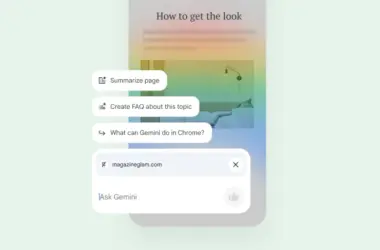
Gemini in Chrome Arrives on Android as Auto Browse Goes Mobile
Google made Gemini in Chrome available to all Android users in the U.S. on August 18, with page summaries, Google app connections, Nano Banana image tools, and paid auto browse support for AI Pro and Ultra subscribers. The useful change is mobile browser assistance; the risk is letting an agent act too close to accounts, purchases, and private page context.
ChatGPT for Teens Makes Age Checks a Default AI Safety Layer
OpenAI launched ChatGPT for Teens on August 18, automatically applying stricter safeguards, study-focused behavior, quiet hours, and optional parental controls for users ages 13 to 17. The useful shift is not just a family settings menu, but age assurance becoming a default layer for consumer AI.

Chrome’s 7 Billion-Notification Cleanup Turns Web Alerts Into a Security Setting
Google says Chrome reduced unwanted Android web notifications by more than 7 billion a day in the first quarter of 2026. The change is more than inbox cleanup: Chrome is treating notification permission as revocable trust, using Safety Hub, Safe Browsing, abuse-network detection, and server-side Push API throttling to cut off scam and malware campaigns.
Gunra Ransomware Puts VPN Gateways and Backups on the Same Incident List
A new FBI, CISA, NSA, Secret Service, DC3, and South Korean police advisory says Gunra ransomware affiliates are abusing exposed VPN and firewall paths, stealing cloud data, dumping credentials, and deleting backups before encryption. The useful response starts with edge-device patching, identity triage, immutable backups, and log review before recovery begins.