


Browsing Category
Enterprise Tech
146 posts
Enterprise software, IT operations platforms, business infrastructure, observability, SaaS, and workplace technology coverage.
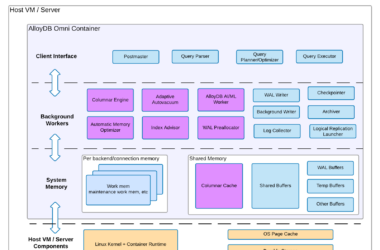
Google’s AlloyDB Isolates AI Agent Queries From Production PostgreSQL
Google’s new AlloyDB preview gives AI agents isolated, scale-to-zero access to fresh production data. Here is what it solves, what remains risky, and what teams should test.


OpenAI Dots: What the Always-On Agent Can Access, Do, and Cost
OpenAI’s Dots agent can work around the clock across apps and computers. Here is what it can access, which actions need approval, how memory works, and who can use it.
NVIDIA’s Open Agent Safety Platform Moves Guardrails Outside the Model
NVIDIA’s OpenShell runtime restricts AI-agent files, networks, processes and credentials, while Sentry adds a BlueField-4 hardware watchdog. Here is how the stack works and where its claims still need proof.

Citrix NetScaler Zero-Days: Patch Now, Then Hunt for Web Shells
Citrix patched two actively exploited NetScaler zero-days that allow unauthenticated remote code execution. Here are the fixed builds, attack path, log hunts and response order.
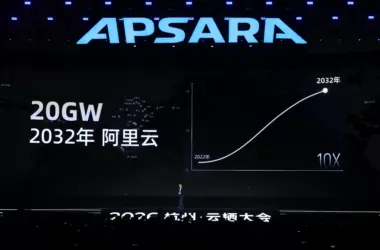
Alibaba’s Zhenwu V900 Turns China’s AI Push Into a Full-Stack Scale Test
Alibaba’s Zhenwu V900 pairs 216 GB of memory with a Qwen 4 roadmap and a 20 GW cloud target. Here is what is shipping, what remains a claim, and what buyers should verify.
EvilTokens Disruption Exposes the Device-Code Phishing Gap
Microsoft and partners disrupted EvilTokens after more than 12,000 inbox compromises. Here is how device-code phishing bypasses normal expectations and what Microsoft 365 teams should change now.
Check Point Zero-Day Puts Firewall Management Servers on a Three-Day Patch Clock
Check Point patched an exploited management-server zero-day and confirmed Spark VPN attacks. Here are the fixed hotfix takes, hunt commands, and September 25 deadline.

Palo Alto Launches Always-On AI Pentesting With Mythos 5 and GPT-5.6-Cyber
Palo Alto Networks' Unit 42 now uses Mythos 5, GPT-5.6-Cyber, and open models for continuous attack-path testing. Its own results show why buyers should judge the harness, controls, and remediation workflow, not just the models.
Cisco Email Gateway Zero-Day Turns Mail Security Into Incident Triage
Cisco has patched CVE-2026-76461, an actively exploited Secure Email Gateway SQL injection flaw that can let unauthenticated attackers run commands as root. Because CISA added it to the KEV catalog with a September 17 deadline, admins should treat patching as the start of incident triage, not the end.

Claude for Financial Advisors Turns Wealth AI Into a Workflow Test
Anthropic and Charles Schwab are bringing Claude into registered investment advisor workflows through connectors, skills, audit logs, and approval gates. The launch is a useful test of whether wealth-management AI can handle regulated work without turning financial advice into a chatbot free-for-all.