


Browsing Category
Apps
56 posts
Consumer apps, social platforms, app features, software services, and practical changes in everyday digital products.

America.gov Is Live: What the Federal AI Portal Can Do and What to Verify
America.gov now answers questions across 29,000 federal websites and plans to add forms and transactions. Its first-day answer changes show why users should verify high-stakes guidance.


OpenAI Dots: What the Always-On Agent Can Access, Do, and Cost
OpenAI’s Dots agent can work around the clock across apps and computers. Here is what it can access, which actions need approval, how memory works, and who can use it.

Microsoft’s School AI Privacy Standard Turns Guardrails Into Contract Terms
Microsoft, the American Federation of Teachers, and the United Federation of Teachers have created a school AI privacy standard that districts can add to Microsoft agreements starting November 1. The important shift is not another AI pledge, but contract terms covering student data, model training, memory, agentic features, audits, and human oversight.

Sonos Beam Ultra and Ace Ultra Put Sonos 27 Back at the Center
Sonos introduced the $699 Beam Ultra soundbar, $449 Ace Ultra headphones, and Sonos 27 software update on September 1, with preorders open now and general availability set for September 29. The real test is whether Sonos can make its system feel useful again after its app reset.

Gemini in Chrome Arrives on Android as Auto Browse Goes Mobile
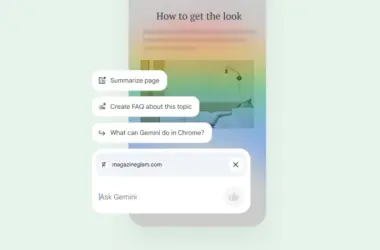
Google made Gemini in Chrome available to all Android users in the U.S. on August 18, with page summaries, Google app connections, Nano Banana image tools, and paid auto browse support for AI Pro and Ultra subscribers. The useful change is mobile browser assistance; the risk is letting an agent act too close to accounts, purchases, and private page context.
ChatGPT for Teens Makes Age Checks a Default AI Safety Layer
OpenAI launched ChatGPT for Teens on August 18, automatically applying stricter safeguards, study-focused behavior, quiet hours, and optional parental controls for users ages 13 to 17. The useful shift is not just a family settings menu, but age assurance becoming a default layer for consumer AI.

Reddit’s AI Videos Turn Forum Threads Into Synthetic Media
Reddit is testing AI-voiced videos that turn selected text posts and comments into watchable, listenable clips. The experiment could make old forum threads easier to consume, but it also raises new questions about labeling, context, comment selection, and who controls the value of community posts.
ChatGPT Ads Expand as OpenAI Tests the Price of Trust
OpenAI launched ChatGPT Ads in the United Kingdom, Mexico, Brazil, Japan, and South Korea on August 11. The rollout turns conversational advertising from a U.S.-led pilot into a broader test of whether OpenAI can monetize high-intent AI chats without eroding trust.
Spotify Will Label AI Personas and Limit Their Recommendation Reach
Spotify is adding AI Persona badges for artist profiles that present photorealistic AI-generated identities, with self-disclosure open now and listener-facing labels rolling out this fall. The bigger enforcement step is distribution: AI Persona music will be left out of editorial and algorithmic recommendations unless listeners actively choose it.