


Januscape KVM Flaw Turns Nested Virtualization Into a Host-Escape Risk
CVE-2026-53359, dubbed Januscape, is a 16-year-old Linux KVM shadow MMU flaw that can let a guest VM crash, and potentially escape to, an x86 host when nested virtualization is exposed. Operators should treat it as a hypervisor-boundary patch event, not a routine kernel update.

Chip Sales Just Hit a Record as AI Demand Spreads Beyond GPUs
SIA says global semiconductor sales reached $120.6 billion in May 2026, the highest monthly total it has recorded and more than double the level from a year earlier. The data suggests the AI chip boom is now lifting a wider stack of memory, networking, logic, and foundational semiconductors across every major region.
Apple’s Broadcom Deal Makes Edge AI a Supply-Chain Commitment
Broadcom’s July 6 SEC filing says it will supply custom ASIC silicon for multiple generations of Apple products through 2031. The sparse disclosure does not confirm specific Apple Intelligence hardware, but it locks in a key supplier relationship as Apple tries to make more AI run locally on phones, Macs, watches, and tablets.
Signal Backup-Key Phishing Turns Account Recovery Into an Espionage Target
The FBI and CISA warn that Russian intelligence-linked actors are impersonating messaging-app support accounts to steal Signal backup recovery keys, verification codes, and account PINs. The attacks do not break encryption, but they can expose message backups and keep account-takeover paths alive until users replace compromised keys.

Hidden Web Prompts Turn AI Agents Into Payment Targets
Zscaler found malicious websites using SEO poisoning, hidden HTML, JSON-LD metadata, and crypto-payment flows to manipulate browsing AI agents. The findings show why agent deployments need transaction limits, source checks, and runtime controls before they are allowed to browse the open web or move money.
NVIDIA’s AI Cloud Deals Turn GPUs Into a Revenue-Share Business
NVIDIA’s July 1 revenue-sharing and credit-support model gives AI cloud partners a new way to finance large GPU deployments, while giving NVIDIA a usage-linked cut of supported cloud revenue. Sharon AI and Firmus are the first test cases, with plans for up to 210,000 GPUs across Australia and Indonesia.

FLARE-AI Gives AI Failures a CERT-Style Reporting Path
FLARE-AI, a new open-source reporting system launched July 1, gives researchers and users a structured way to report AI flaws, incidents, hazards, and vulnerabilities to developers, CERT/CC, incident databases, and other coordinators. Its real test is whether AI safety reporting can move beyond scattered emails, social posts, and vendor-specific forms.
AI Memory Shortage Turns Into a Fight Over Who Gets Chips
A July 1 SEMI letter warns Washington that direct intervention in memory-chip pricing or production could worsen an AI-driven shortage. The fight now reaches beyond data centers, with broadband, automotive, medical-device, retail, and consumer-electronics groups worried that HBM demand will squeeze ordinary DRAM supply.
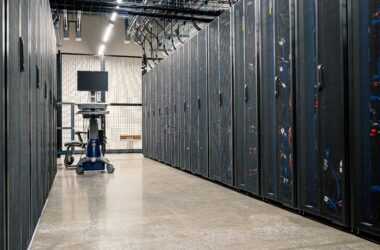
Stargate UK Turns AI Data Center Promises Into a Credibility Test
Fresh reporting on OpenAI's paused Stargate UK project shows why AI data center announcements now need harder questions about power, planning, signed offtake, and local coordination before investors, governments, and customers treat headline capacity as real infrastructure.
New CitrixBleed Flaw Puts NetScaler SAML Gateways on Patch Watch
CVE-2026-8451 affects NetScaler ADC and Gateway appliances configured as SAML identity providers, and Lupovis says exploit payloads appeared within 24 hours of disclosure. Admins should verify SAML IdP exposure, upgrade affected builds, and review SAML endpoint logs before treating the issue as routine patching.