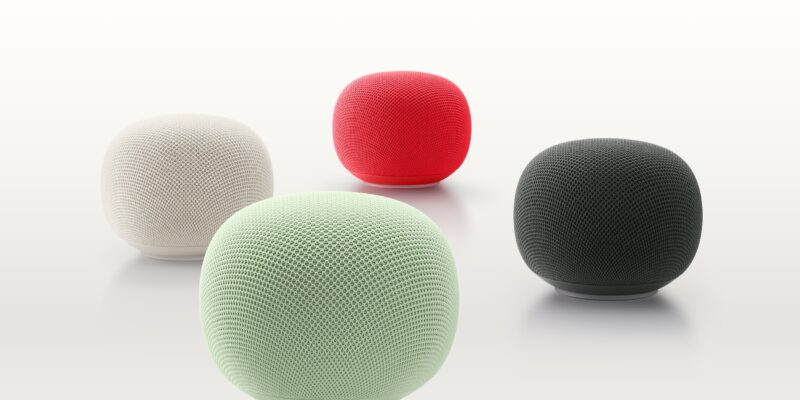
Google’s first new smart speaker in six years is now a real product, not just a preview of where the company wants the smart home to go. The Google Home Speaker is available for preorder at $99.99 and is scheduled to reach stores on June 25, with Gemini for Home built in as the device’s central pitch.
The speaker matters because Google is trying to move Gemini beyond phones, search boxes, and browser tabs into a shared household interface. Smart speakers have long been useful for timers, music, weather, and basic device control. Google’s bet is that a more conversational assistant can make the same hardware category feel less brittle, especially when users ask messy multi-step questions or control several devices in one sentence.
What Google Is Actually Shipping
Google says the Home Speaker is its first audio device built for Gemini for Home. The company’s announcement emphasizes natural language understanding, multi-command requests, mid-sentence corrections, follow-up questions, and Continued Conversation, which keeps the microphone open briefly after a response so users do not have to repeat the wake phrase for every follow-up.
The examples are intentionally ordinary: turning off every light except a bedside lamp, dimming kitchen lights while starting music and a timer, correcting a command about a coffee maker, or asking a more context-heavy question about weather for a specific sports game. That is the right test for this category. A smart speaker does not become useful in a home because it can produce a long answer. It becomes useful when it handles the half-formed, practical requests people actually make while cooking, walking through a room, or getting kids out the door.
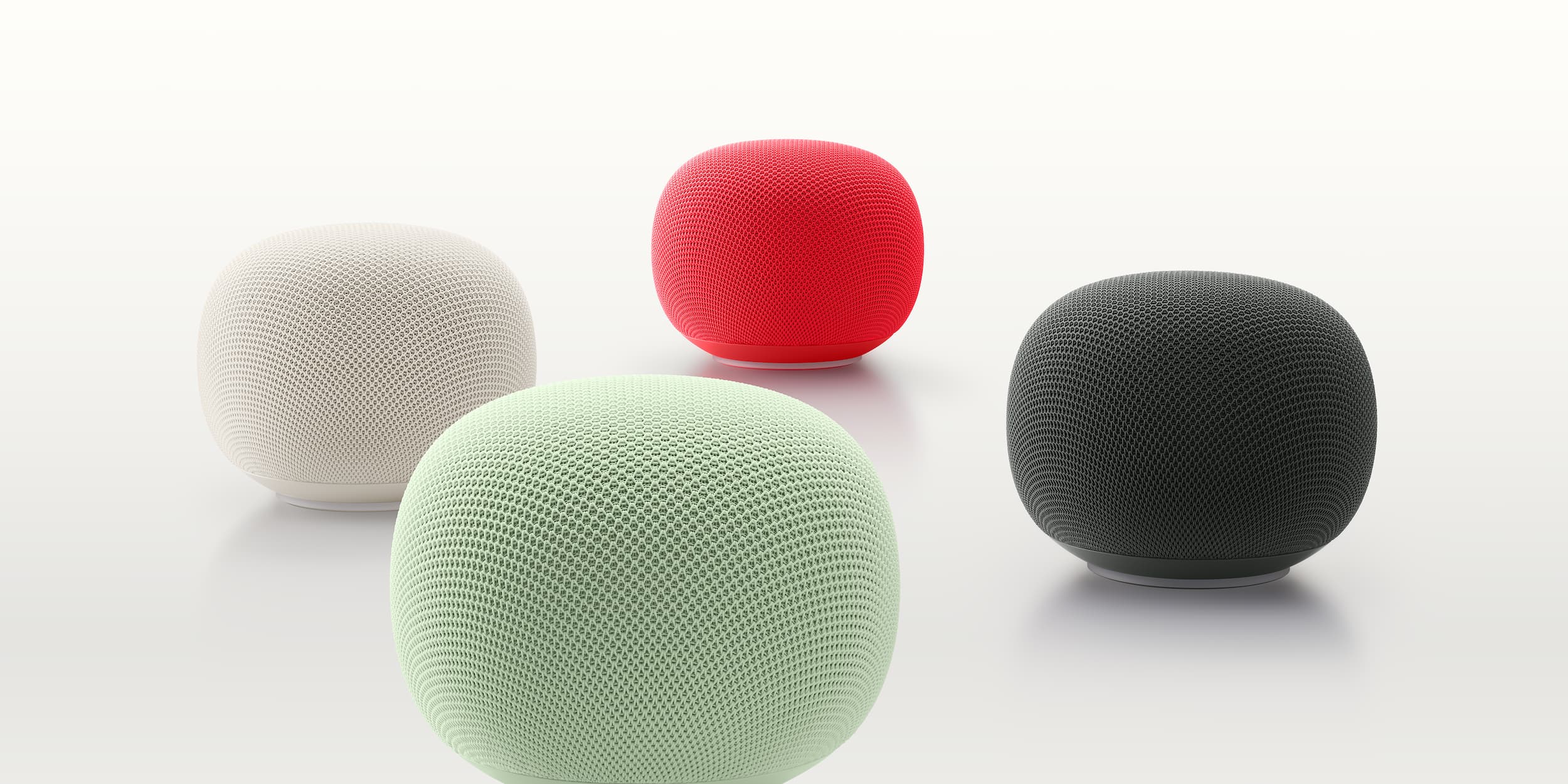
Hardware-wise, the Home Speaker is a compact rounded speaker wrapped in 3D-knit textile, with a light ring at the base that shows when the assistant is listening, thinking, or responding. It includes a physical microphone mute switch, 360-degree audio, advanced microphone processing, and pairing support for up to two speakers with a Google TV Streamer for spatial surround-sound audio. It also works in speaker groups with Nest speakers, Nest displays, and Google Cast devices.
The Subscription Boundary Is the Catch
The new speaker comes with six months of Google Home Premium, which is where some of the most ambitious Gemini features sit. Google lists Gemini Live, Camera History Search, and Home Briefs as premium capabilities. Gemini Live enables more free-flowing voice conversations. Camera History Search lets users ask about current or recent Nest camera activity, such as whether a gate is open, a pet went on the couch, or a familiar face appeared. Home Briefs summarize what happened around the house while someone was away.
That split is important for buyers. The $99.99 hardware price does not fully describe the product if the most interesting smart-home intelligence depends on an ongoing subscription after the trial period. The basic speaker can still handle assistant and smart-home tasks, but Google is clearly using the device to make Google Home Premium feel like the real software layer for households with Nest cameras, automations, and more advanced assistant use.
It also creates a clearer comparison with Amazon and Apple. Alexa has been moving toward more generative assistant features, while Apple’s HomePod line remains tightly tied to Siri and Apple’s device ecosystem. Google’s advantage is that Gemini is already being pushed across Search, Android, Workspace, and the Gemini app. Its challenge is making that intelligence reliable enough for a shared home device, where a wrong answer or failed command is more visible than a bad chatbot response on a private screen.
Why Matter and Thread Matter Here
The Home Speaker is not just a voice endpoint. Google’s store listing and early coverage identify it as a Matter controller and Thread 1.3 border router, which means it can help connect compatible smart-home devices such as lights, plugs, locks, and sensors through Google Home. That gives the device a role closer to a household hub than a simple audio accessory.
The timing is useful for Google. Matter 1.6 just arrived with improvements meant to simplify setup, sharing, device status, and multi-platform smart-home control. A Gemini speaker that can also participate in the underlying Matter and Thread infrastructure gives Google a way to tie voice, automation, cameras, speakers, and device commissioning into one product story.
There is still a practical limit. Smart-home reliability depends on the devices people already own, the quality of each manufacturer’s Matter implementation, Wi-Fi and Thread network health, and whether households are willing to keep paying for premium assistant features. Gemini can make commands feel more natural, but it cannot single-handedly fix every fragmented smart-home setup.
A Delayed Launch With a Clearer Purpose
The speaker was previewed last year and missed the earlier spring window. That delay may help the product if Google used the extra time to improve Gemini for Home rather than rushing hardware onto shelves before the assistant was ready. The Verge reported that Google spent the intervening months improving smart-home and media-command latency, fixing more than 2,500 reported issues, and shipping more than 50 features and improvements to Gemini for Home.
That context matters because the smart-speaker market has been stuck for years. The original promise was ambient computing: ask once, get help anywhere. The reality was often a narrow command syntax, awkward follow-ups, inconsistent device names, and a lot of music playback. Google’s new speaker is a test of whether current AI assistants can make the category feel alive again without making the home feel less private or more subscription-dependent.
For early buyers, the most useful question is not whether the Google Home Speaker is smarter than an old Nest Audio on a spec sheet. It is whether Gemini for Home can reliably understand natural household requests, control devices quickly, keep enough context to reduce repeated wake-word interactions, and make premium camera and home-summary features feel worth paying for after the trial ends.
If it can, Google’s $99 speaker becomes the first serious Gemini appliance for the home. If it cannot, it will be another reminder that AI assistants need more than impressive language ability to earn a permanent place on the kitchen counter.